Key Takeaways & Executive Summary
Understand genuine mint errors, die varieties, proofs, patterns, restrikes and special issues.
Carefully inspect the date, mint mark, metal purity, and die alignment.
Always preserve natural surface integrity and avoid harsh chemical treatments.
Cross-reference catalog numbers with verified numismatic references before purchase.
Error and variety families
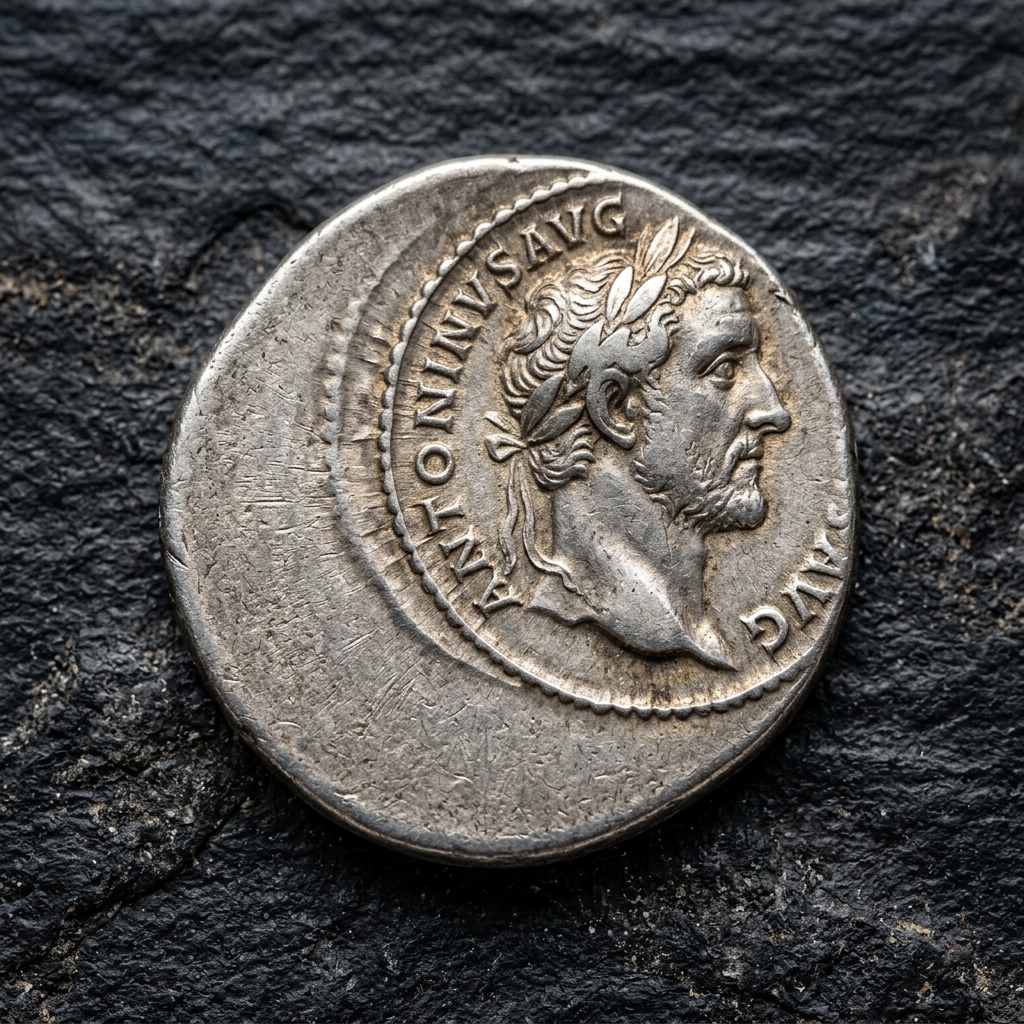
errors occur during the manufacturing process at the , creating unique, physical deviations from the standard coin design. These errors are grouped into three main families: errors (such as clipped planchets, where a crescent-shaped piece of metal is missing, or lamination flaws where the metal splits), errors (such as doubled dies, where the itself was stamped twice during manufacturing, creating doubled lettering, or cracks and cuds), and striking errors (such as off-center strikes, where the was not aligned with the dies, or brockages, where an already-struck coin sticks to a and presses its design into the next blank coin).
coins are another popular , created when the of one coin type is accidentally paired with the of another type. These errors are highly prized by collectors due to their visual uniqueness and extreme , with values determined by the dramatic nature of the error and the popularity of the host coin.
Damage is not always an error
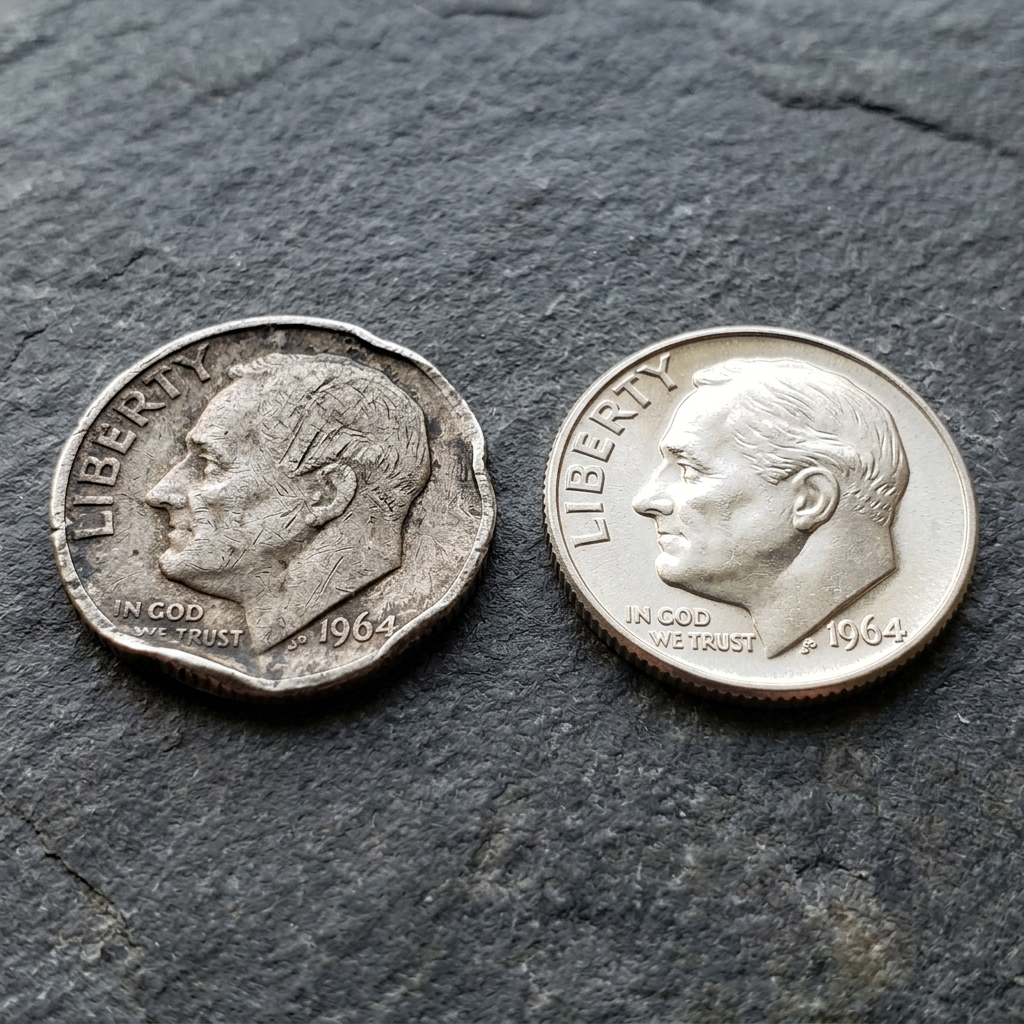
A common mistake among beginner collectors is misidentifying post-mint damage (PMD) as a rare error. PMD includes any wear, cuts, chemical corrosion, or deliberate alterations that occur after a coin leaves the minting facility. For example, coins that have been flattened by trains, squeezed in vises, or exposed to acid can look like clipped planchets or broadstrikes but are actually worthless damaged pieces.
To identify a genuine error, verify the coin's weight and details. A genuine clipped will show a characteristic 'Blakesley effect'—a slight weakness in the rim details directly opposite the clip, caused by uneven metal flow during striking. If the rim details opposite the clip are perfectly formed, the clip is likely a private alteration made after the minting process.
Explore the details
Was this numismatic guide helpful?
Your feedback helps our curatorial editorial team refine and expand our research.