ON THIS PAGE
- Overview & Key Concepts
- In 30 Seconds Summary
- Interactive Sheldon Spectrum
- Same Coin — Different Grades
- Where Does Wear Appear First?
- Factors That Affect Grade
- What is Coin Grading?
- Why Coin Grading Matters
- The Sheldon 70-Point Grading Scale
- Circulated Coin Grades
- Mint State (MS) Grades
- Proof (PR/PF) Coins
- Factors That Affect a Coin's Grade
- Details Grades and Altered Coins
- Coin Grading in India
- Tips for Beginner Collectors
- Conclusion
- How to Grade a Coin at Home
- ⚠️ Cleaning Warning Notice
- Sources & Further Reading
- Real Gullaq Catalogue Specimens
- Curated Specimen Examples
- Common Mistakes to Avoid
- Specimen Visual Comparison
- Frequently Asked Questions
Key Takeaways & Executive Summary
The Sheldon Scale ranges from Poor (P-1) to Perfect Mint State (MS-70).
Circulated grades include Good (G-4), Very Good (VG-8), Fine (F-12), Very Fine (VF-20/35), Extremely Fine (XF-40/45), and About Uncirculated (AU-50/58).
Cleaning a coin destroys original mint luster (cartwheel effect) and drastically decreases collector value.
Grade describes physical condition, while market value also depends on rarity, date, mint mark, variety, and demand.
In 30 Seconds
Coin grading describes the physical condition and surface preservation of a coin.
A higher grade does not automatically make a coin more valuable than a lower-grade coin. Market value also depends heavily on rarity, date, mint mark, variety, collector demand, authenticity, and provenance.
Same Coin — Different Grades Progression
Observe how physical wear, design definition, and surface luster evolve across major condition tiers from Good (G-4) to Choice Mint State (MS-63).
- Entire design outline visible; heavy wear across main relief
- Rims flat; hair and central details worn smooth
- Major design elements distinct; rims full and complete
- Hair strands and inner garment lines begin to separate
- Moderate wear with complete legends and crisp ruler title
- Central devices sharp; inner detail definition visible
- Light-to-moderate wear on highest focal points
- Sharp inscriptions and drapery folds; clean fields
- Traces of wear only on highest relief peaks (cheeks, crown)
- Original mint luster visible in protected letters
- Subtle friction on highest points; 80%+ cartwheel luster intact
- Outstanding eye appeal at a fraction of MS price
- Zero circulation wear; full original mint luster bloom
- May display minor bag contact marks from minting process
Where Does Wear Appear First?
Friction from commercial circulation removes metal first from the highest design relief points. Note: The exact high points vary by coin design—always inspect the highest focal peaks of your specific coin type first.
Cheekbones, nose tip, crown jewels, or royal headgear where handling friction strikes first.
Portrait hair strands, beard, coat embroidery, or emblem center lines.
Raised letters of ruler names, dates, mint marks, and peripheral inscriptions.
Coat of arms shield, deity crowns, lion mane, or animal shoulders.
Open spaces around motifs showing hairline scratches or rub marks.
Outer edge borders vulnerable to bag marks, nicking, or filing.
What is Coin Grading?
Coin grading is the process of evaluating a coin's physical condition, wear, preservation, and overall quality. It is one of the most important aspects of numismatics because the of a coin significantly influences its , desirability, and market value. Two coins of the same date, , and can differ in value by hundreds or even thousands of times simply because of their .
Professional grading provides collectors with a standardized way to assess a coin's condition, making buying, selling, and collecting more transparent and reliable.
Coin grading is the systematic assessment of a coin based on: - Amount of wear: The loss of metal design details caused by friction and handling in commerce. - Sharpness of design: How clearly fine lines, hair strands, legends, and intricate ornaments stand out. - Surface preservation: Freedom from contact marks, scratches, dents, corrosion, hairlines, and environmental damage. - Strike quality: The completeness and sharpness with which the original impressed the metal . - Luster: The natural cartwheel reflectivity and sheen produced by metal flow lines during minting. - Eye appeal: The overall visual beauty, aesthetic harmony, and attractiveness of the coin's and surfaces. - Damage or alterations: Checking for signs of , polishing, tooling, bending, or artificial manipulation.
A coin that has never circulated typically receives a much higher than one that has been used in everyday transactions.
Why Coin Grading Matters
Proper grading helps collectors: - Determine a coin's market value: Coin values are deeply tied to verified condition and thresholds. - Authenticate condition: Distinguish between pristine original surfaces and skillfully altered or cleaned coins. - Compare coins objectively: Establish a universal reference point across global auction houses, dealers, and collectors. - Buy and sell with confidence: Avoid overpaying for over-graded specimens or selling rare pieces below their true worth. - Preserve collections accurately: Catalog and document your numismatic holdings according to international standards. - Identify investment-quality specimens: Accurately isolate top-pop (top population) Gem and Choice uncirculated pieces.
Even a single one-point difference on the grading scale can dramatically affect a rare coin's price, turning a modest collectible into an extraordinary trophy specimen.
The Sheldon 70-Point Grading Scale
Today, nearly the entire numismatic world uses the Sheldon Grading Scale, developed by Dr. William Sheldon in 1949.
The scale ranges from 1 (Poor) — a coin that is barely identifiable — all the way up to 70 (Perfect Mint State) — a flawless specimen under magnification with pristine luster and a full .
Originally developed for early American large cents, it has evolved into the universal worldwide standard for grading coins across world and Indian numismatics.
Overview of the Sheldon Scale
| Description | Condition & Characteristics | |
|---|---|---|
| P-1 | Poor | Barely identifiable; outline only; date barely visible |
| FR-2 | Fair | Very heavily worn; date readable; major details missing |
| AG-3 | About Good | Major details visible; heavy flattening; rim merges into lettering |
| G-4 to G-6 | Good | Heavy wear; entire design visible; few interior details remain |
| VG-8 to VG-10 | Very Good | Moderate wear; major design elements visible; hair and feathers begin to appear |
| F-12 to F-15 | Fine | Moderate wear; many details visible; legends complete; moderate sharpness |
| VF-20 to VF-35 | Very Fine | Light to moderate wear; most details sharp; decorative elements well defined |
| EF/XF-40 to XF-45 | Extremely Fine | Slight wear on highest points; sharp design; nearly all details intact |
| AU-50 to AU-58 | About Uncirculated | Trace wear only; original luster mostly present; minimal friction on high points |
| MS-60 to MS-70 | State | No circulation wear; full uncirculated status; ranges from typical to flawless |
Circulated Coin Grades
Circulated coins have spent time in commerce and exhibit metal loss from handling and wear. The circulated tiers are defined as follows:
Poor (P-1)
- Characteristics: Almost completely worn flat; only silhouette outline remains; date may barely be visible; lettering mostly gone; design nearly flat.
- Usually collected only if the coin is an extreme where no higher-grade specimen is obtainable.
Fair (FR-2)
- Characteristics: Date readable; outline visible; heavy wear across all surfaces; many major details missing.
- Still heavily worn but positively identifiable by date and .
About Good (AG-3)
- Characteristics: Major devices visible; legends readable; rim merges into lettering; heavy flattening on all reliefs.
- Often found among heavily circulated antique copper and silver coins.
Good (G-4 to G-6)
- Characteristics: Entire design visible; heavy wear; main devices outlined; few interior details remain.
- Many vintage circulation coins from the British India and Princely State eras fall into this category.
Very Good (VG-8 to VG-10)
- Characteristics: Moderate wear; major design elements clearly visible; hair, feathers, crowns, and ornaments begin to show separation; rim complete.
- A very popular and accessible for affordable collectible historical coins.
Fine (F-12 to F-15)
- Characteristics: Moderate wear; many fine details visible; legends complete and clear; moderate sharpness on central motifs.
- Fine coins often represent excellent historical value for budget-conscious collectors.
Very Fine (VF-20 to VF-35)
- Characteristics: Light wear; most details sharp; individual hair strands, drapery folds, and decorative elements well defined.
- Many collectors prefer VF coins for older Indian coinage (such as Mughal rupees and British India portrait series) because they retain much of the original design while remaining relatively affordable.
Extremely Fine (EF/XF-40 to XF-45)
- Characteristics: Very light wear; sharp design; nearly all intricate details intact; small friction visible only on the highest design relief points.
- These coins often look nearly new to the naked eye.
About Uncirculated (AU-50 to AU-58)
- Characteristics: Trace wear only on the highest focal points; original luster mostly present (up to 90% on AU-58); excellent sharpness; minimal friction.
- AU coins are highly desirable because they combine a near-mint appearance with a significantly lower cost than true State examples.
Mint State (MS) Grades
State coins have never entered circulation. They show zero metal wear from commercial handling, although they may still have bag marks, contact scratches, or weak strikes from the minting and bagging process.
MS-60
- Characteristics: No circulation wear; numerous contact marks, bag scratches, or hairlines; weak luster; poor eye appeal.
- Technically uncirculated, but visually unattractive.
MS-61
- Characteristics: Slightly better than MS-60; heavy contact marks remain; average and luster.
MS-62
- Characteristics: Better luster than MS-61; fewer distracting bag marks; noticeably improved eye appeal.
MS-63 (Choice Uncirculated)
- Characteristics: Attractive appearance; good luster; moderate contact marks; very popular collector .
- Many high-quality collectible coins are found in MS-63.
MS-64
- Characteristics: Strong cartwheel luster; few noticeable marks; above-average and attractive eye appeal.
- An excellent collector-grade coin offering a balance of premium quality and reasonable price.
MS-65 (Gem Uncirculated)
- Characteristics: Excellent eye appeal; bright, vibrant original luster; very few contact marks; sharp, strong .
- Gem-quality coins are highly sought after by discerning numismatists and investors.
MS-66
- Characteristics: Exceptional preservation; minimal imperfections; outstanding surfaces with superior luster and .
- Premium collector quality.
MS-67
- Characteristics: Nearly flawless; superb ; brilliant, unabated luster; very rare for vintage and classic issues.
MS-68
- Characteristics: Tiny microscopic imperfections visible only under 5x–10x magnification; exceptional quality and .
- Very scarce across all coin series.
MS-69
- Characteristics: Virtually perfect coin; microscopic flaws only detectable under high magnification; magnificent eye appeal.
- Extremely rare.
MS-70
- Characteristics: Perfect coin in every respect; no visible defects even under high magnification; full original luster; perfect, crisp .
- True MS-70 coins are exceptionally rare, especially among older circulating issues and machine-struck classics.
Proof (PR/PF) Coins
coins are not a grade, but a special method of manufacture.
They are struck using specially polished, acid-treated dies and polished blanks struck multiple times under high pressure to produce: - Mirror-like fields: Deep, reflective mirror background. - Frosted designs: Cameo contrast on raised portraits, emblems, and lettering. - Sharp details: Square, knife-edge rims and razor-sharp design contours. - Superior finish: Impeccable surface perfection.
coins are graded using the same 70-point scale: - PR-60 / PF-60: with multiple handling hairlines or contact marks. - PR-63 / PF-63: Choice with good reflectivity and minor hairlines. - PR-65 / PF-65: Gem with brilliant cameo contrast and minimal flaws. - PR-67 / PF-67: Superb with exceptional surfaces and sharp . - PR-69 / PF-69: Ultra , virtually flawless under magnification. - PR-70 / PF-70: Perfect specimen with zero post-strike blemishes or handling defects.
A PR-70 coin represents a flawless, museum-grade specimen.
Factors That Affect a Coin's Grade
Grading is a nuanced assessment combining measurable metal wear with artistic and physical surface qualities:
- Wear: The amount of metal lost due to circulation. Less wear directly translates to a higher numerical .
- Strike Quality: Some coins leave the with weak strikes due to low striking pressure or worn dies. Weakly struck coins are not necessarily lower if they show no circulation wear, but full strikes command premium eye appeal.
- Luster: The frosty, dynamic cartwheel reflection of undisturbed original metal. , dipping, or polishing permanently destroys original luster.
- Surface Preservation: Professional graders inspect for scratches, bag contact marks, rim dings, corrosion (verdigris), environmental damage, and stains.
- Eye Appeal: A coin may technically fit a bracket but command higher market desirability due to attractive rainbow , blazing luster, sharp , and pleasant aesthetic balance.
Common Grading Abbreviations
| Abbreviation | Meaning |
|---|---|
| P | Poor (Sheldon 1) |
| FR | Fair (Sheldon 2) |
| AG | About Good (Sheldon 3) |
| G | Good (Sheldon 4, 6) |
| VG | Very Good (Sheldon 8, 10) |
| F | Fine (Sheldon 12, 15) |
| VF | Very Fine (Sheldon 20, 25, 30, 35) |
| EF / XF | Extremely Fine (Sheldon 40, 45) |
| AU | About Uncirculated (Sheldon 50, 53, 55, 58) |
| MS | State (Sheldon 60 to 70) |
| PR / PF | (Sheldon 60 to 70) |
| UNC / BU | Uncirculated / Brilliant Uncirculated |
Details Grades and Altered Coins
Sometimes a coin cannot receive a straight numerical from third-party grading services (such as PCGS or NGC) because it has been damaged, chemically cleaned, or artificially altered.
Common issues triggering a Details Grade include: - Cleaned: Chemically dipped or abrasively wiped surfaces resulting in unnatural shine and microscopic hairlines. - Polished: Buffed or whizzed to create artificial shine; removes original metal flow lines. - Holed: Pierced with a hole for jewelry or hanging; occasionally plugged. - Bent: Physically warped or distorted from mechanical stress. - Corroded: Surface pitting, verdigris, or chemical deterioration from moisture or bad PVC storage. - Scratched: Heavy post-mint scratches, graffiti, or test marks. - Environmental damage: Exposure to fire, soil acidity, or harsh moisture. - Artificial toning: Artificially heated or chemically treated to fake attractive rainbow colors. - Repaired / Tooled: Re-engraved details or soldered mount repairs.
Such coins are certified with a condition description and a Details designation, for example: - XF Details – Cleaned - AU Details – Bent - VF Details – Corroded - UNC Details – Environmental Damage
While still historically valuable and collectible, Details coins generally command substantially lower market prices (often 30% to 70% less) than straight-graded original examples.
Improper cleaning, polishing, chemical dipping, or abrasive wiping destroys original metal flow lines and cartwheel mint luster. Cleaned coins receive a Details Grade (e.g. UNC Details – Cleaned) and typically lose 30% to 80% of their market value.
If a coin may be valuable, consult an experienced numismatist or conservation professional before attempting any treatment.Coin Grading in India
Indian coin collectors and auction houses commonly use both traditional descriptive grading terms and the international Sheldon 70-Point Scale.
Traditional Terms vs Sheldon Scale
| Traditional | Approximate Sheldon Equivalent | Description & Indian Coin Context |
|---|---|---|
| Poor | P-1 to AG-3 | Heavy wear, partial silhouette, date barely traceable |
| Good | G-4 to G-6 | Major elements visible, heavy circulation wear |
| Fine | F-12 to F-15 | Moderate wear, complete legends, clear ruler name |
| Very Fine (VF) | VF-20 to VF-35 | Most details sharp, complete inscriptions, moderate high-point wear |
| Extremely Fine (XF/EF) | XF-40 to XF-45 | Very slight wear on crowns or legends, sharp fields |
| About Uncirculated (AU) | AU-50 to AU-58 | Near-mint status, trace friction on highest points, strong luster |
| Uncirculated (UNC) | MS-60 to MS-62 | No wear, typical bagging or minor contact marks |
| Brilliant Uncirculated (BU) | MS-63 to MS-65 | Blazing cartwheel luster, sharp , very few contact marks |
| Gem Uncirculated | MS-65 and above | Exceptional eye appeal, pristine surfaces, superb |
For many historic Indian coins—especially ancient punch-marked coins, Kushan gold dinars, Gupta staters, Delhi Sultanate tankas, Mughal rupees, and Princely State hammered issues—traditional descriptive grading remains widely used. Hand-hammered flans, off-center strikes, and uneven thickness mean that quality and complete legends must be evaluated alongside pure wear.
Tips for Beginner Collectors
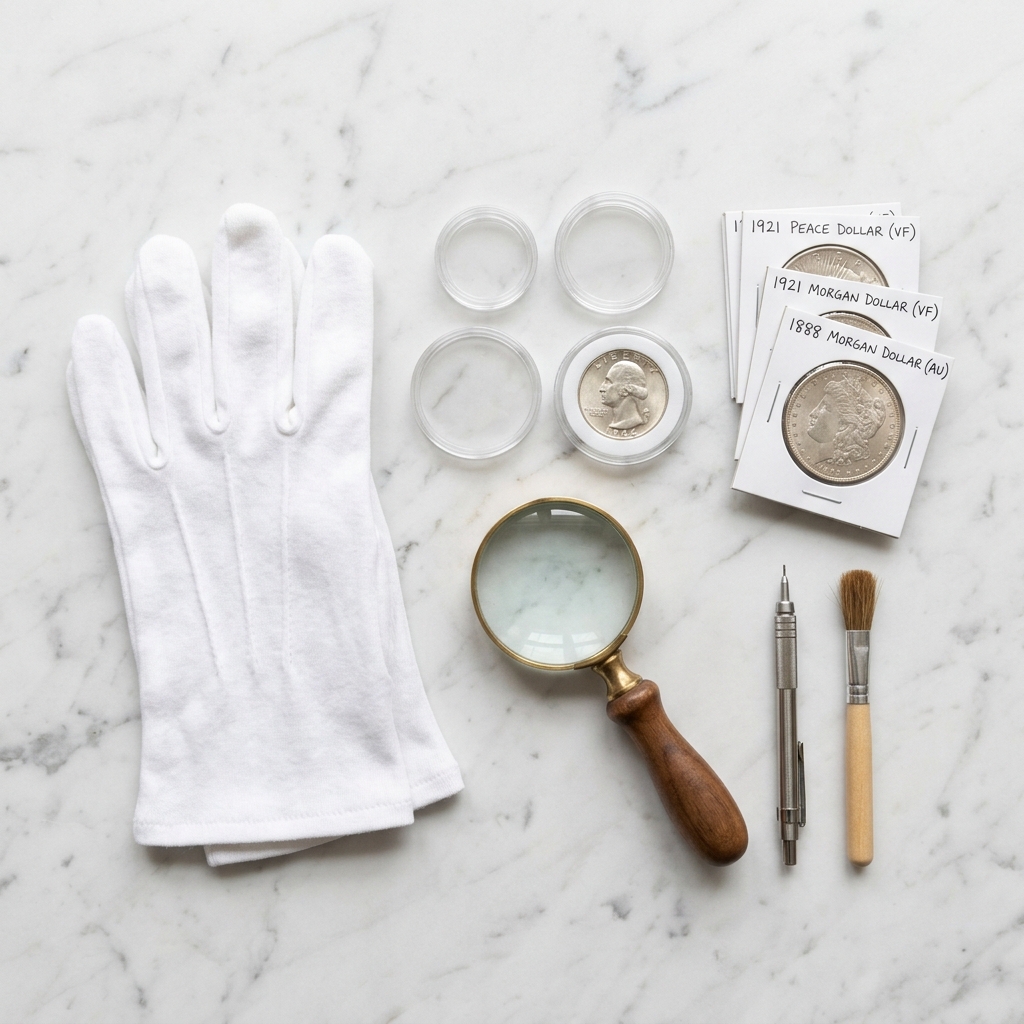
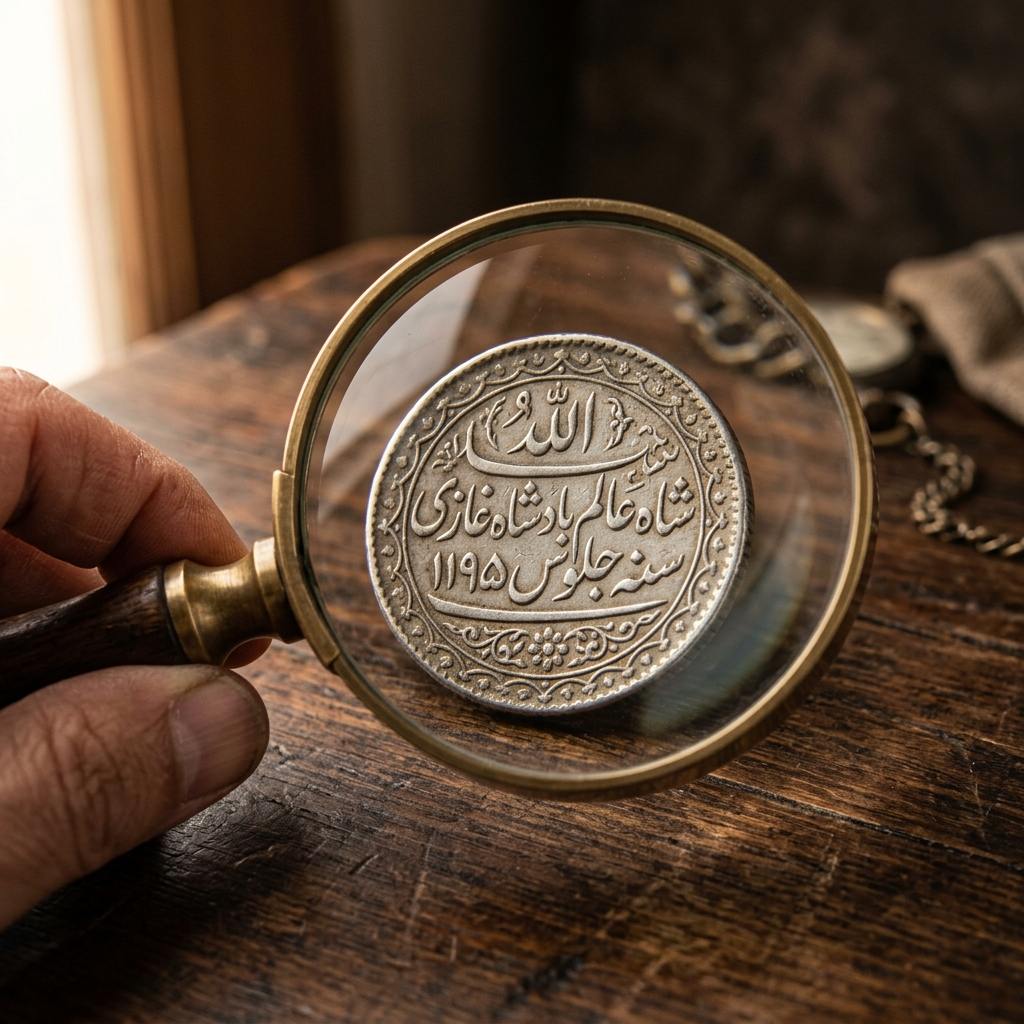
Mastering coin condition requires discipline and careful observation: - Handle coins only by their edges: Always hold coins between your thumb and index finger by the rim. Never touch the or faces, as skin oils and acids cause permanent staining. - Avoid cleaning coins under any circumstance: permanently strips the natural and luster, reducing collector value by up to 80%. - Use adequate lighting and magnification: Inspect coins under a 5x to 10x numismatic loupe with directional warm lighting to reveal hairlines and surface luster. - Compare coins with certified examples: Benchmark your raw coins against high-resolution photos of NGC/PCGS certified slabs. - Learn to distinguish wear from weak strikes: High-point metal loss indicates wear, while soft details surrounded by full luster indicate an incomplete . - Store coins in inert holders or capsules: Never use cheap PVC vinyl flips that emit damaging green slime. Use non-reactive Mylar 2x2 flips, acrylic capsules, or inert album pages. - Seek certified specimens for high-value coins: When buying key-date British India rupees, rare Republic India commemoratives, or rare gold mohurs, certified third-party grading ensures guaranteed authenticity and .
Collector Workflow: 9 Steps to Grade a Coin at Home
Confirm date, mint mark, denomination, ruler, and specific variety.
Examine peaks for metal flattening or loss of fine detail under warm directional light.
Look for contact marks, hairlines, scratches, or corrosion under 5x–10x magnification.
Inspect border denticles for edge nicks, filing, mounting traces, or rim dings.
Rotate coin under light to check for cartwheel reflection across fields.
Distinguish weak mint strike from actual commercial circulation wear.
Consider visual beauty, rainbow toning, surface contrast, and distracting spots.
Benchmark against authenticated museum or certified PCGS/NGC slab photos.
When in doubt between grades, prefer a conservative range (e.g. VF-30 to XF-40).
Conclusion
Coin grading is the foundation of numismatics. Understanding the Sheldon 70-point scale allows collectors to accurately assess a coin's condition, estimate its market value, and make informed buying or selling decisions. While grading requires experience and careful observation, mastering the basics helps collectors appreciate the subtle differences between circulated, uncirculated, and coins.
Whether collecting ancient Indian punch-marked coins, Mughal rupees, British India issues, or modern commemoratives, a sound understanding of grading ensures that every coin is evaluated consistently and fairly, making it an indispensable skill for every numismatist.
Sources & Further Reading
- Sheldon, William H. Early American Cents 1793–1814 (Origin of the 70-Point Sheldon Scale). Harper & Brothers, New York, 1949.
- Breen, Walter. Walter Breen’s Complete Encyclopedia of U.S. and Colonial Coins. Doubleday, New York, 1988.
- Official ANA Grading Standards for United States Coins. American Numismatic Association, 7th ed., Whitman Publishing, 2013.
- PCGS Official Guide to Coin Grading and Counterfeit Detection. Professional Coin Grading Service, House of Collectibles, 2nd ed., 2004.
- NGC Coin Grading Guide & World Coin Standards. Numismatic Guaranty Company, Certified Collectibles Group Educational Archives.
- Gupta, Parmeshwari Lal. Coins: India - The Land and the People. National Book Trust, New Delhi, 4th ed., 2013.
- Reserve Bank of India Monetary Museum. Monetary Heritage & Coin Preservation Archives. RBI Numismatic Division, Mumbai.
See Grading in Real Gullaq Coins
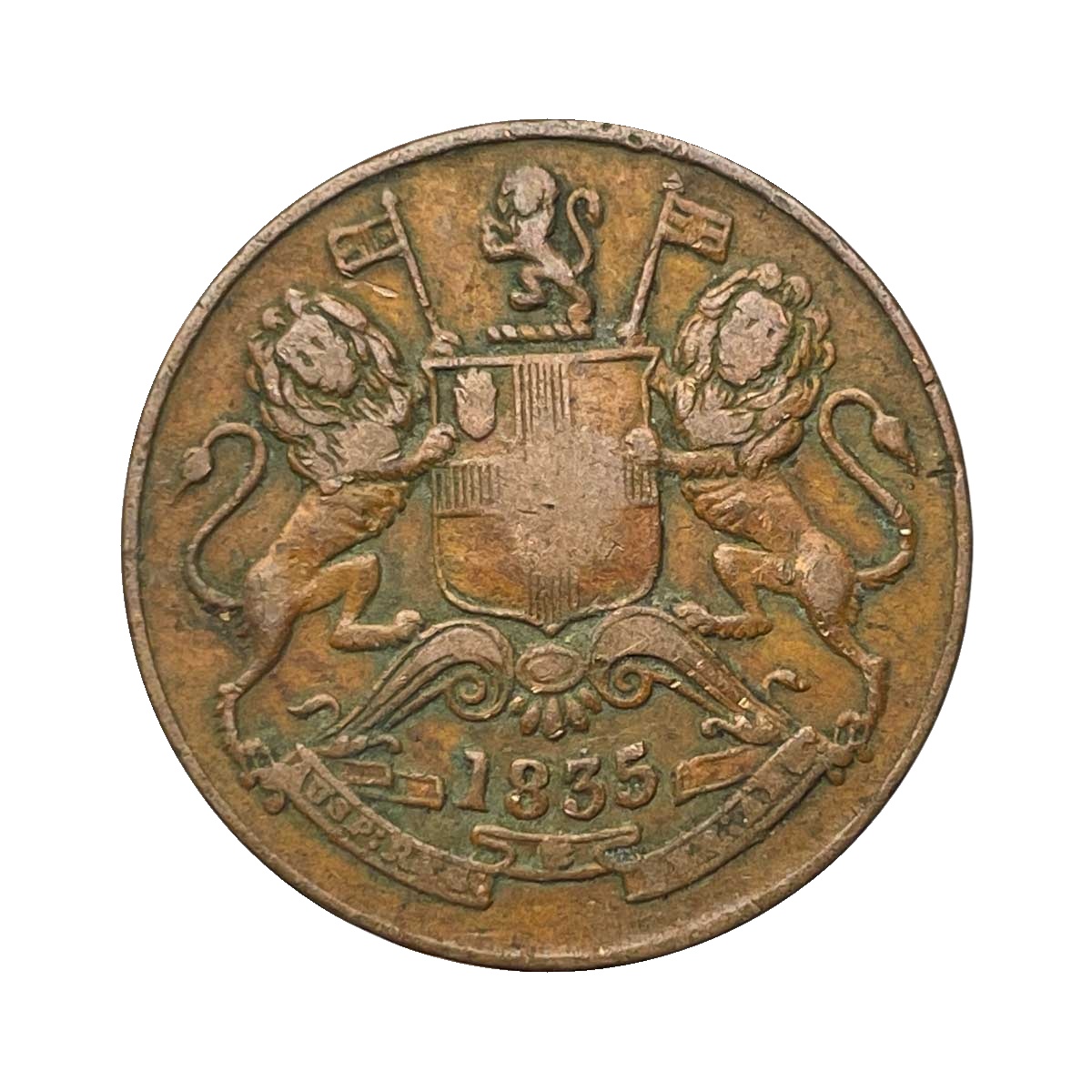
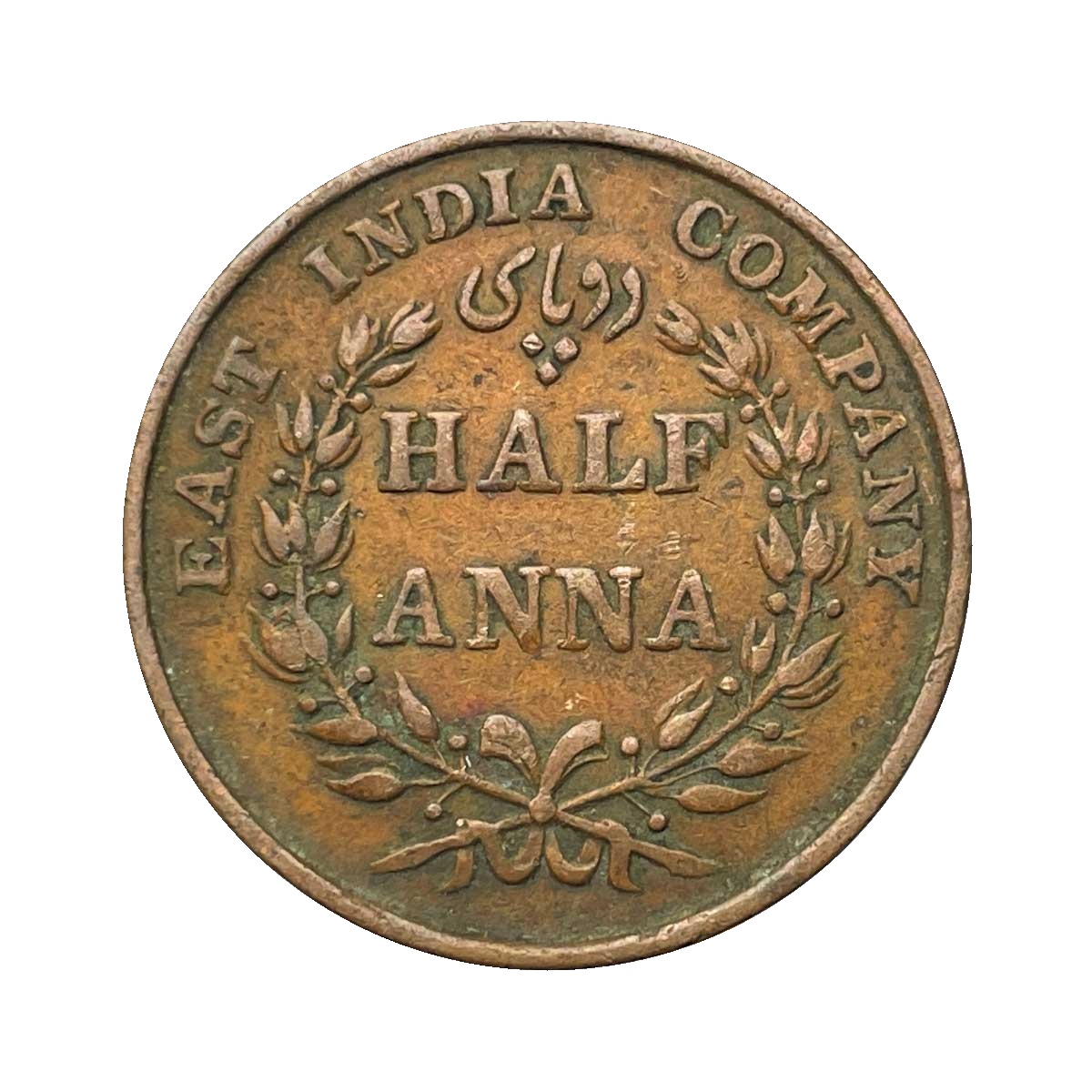
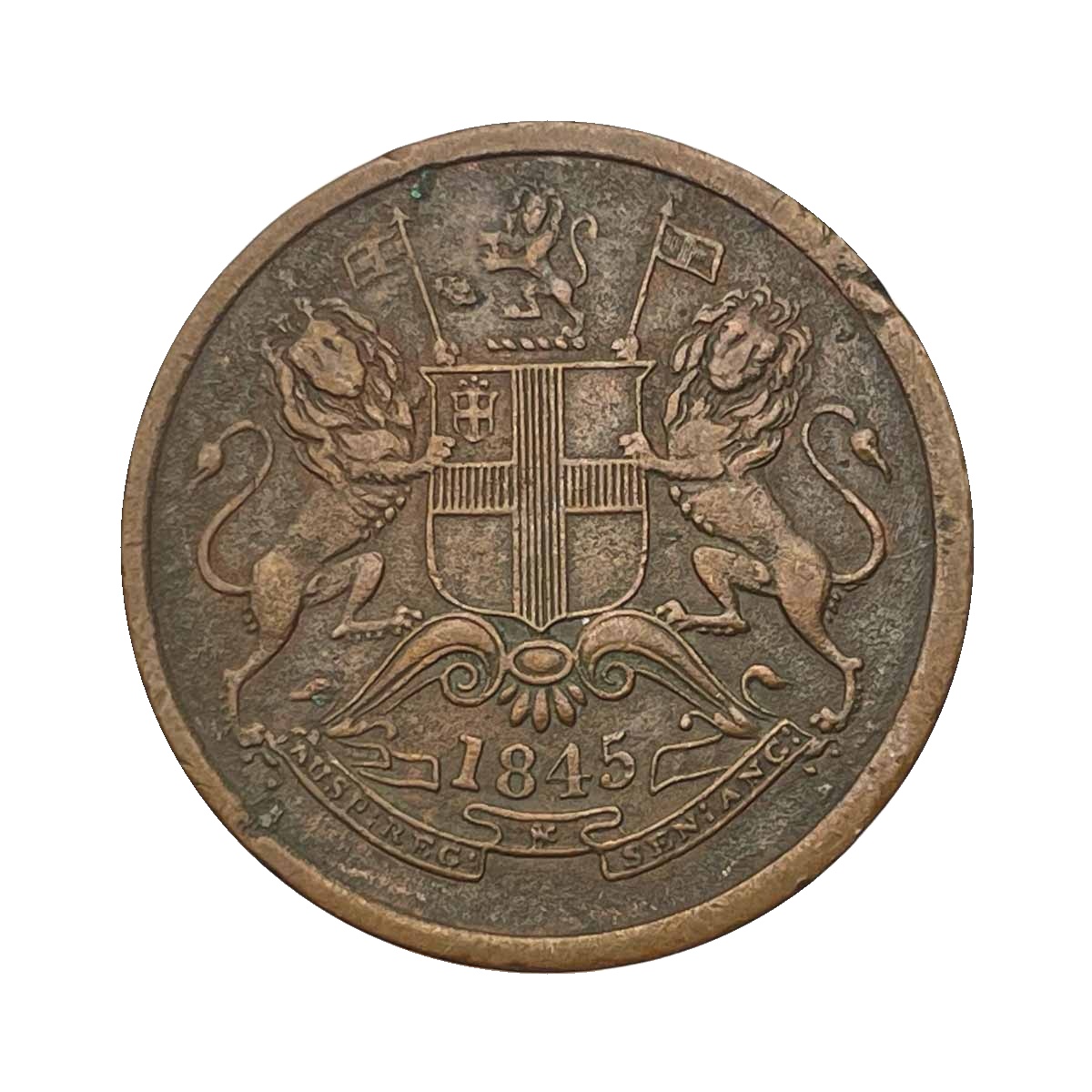
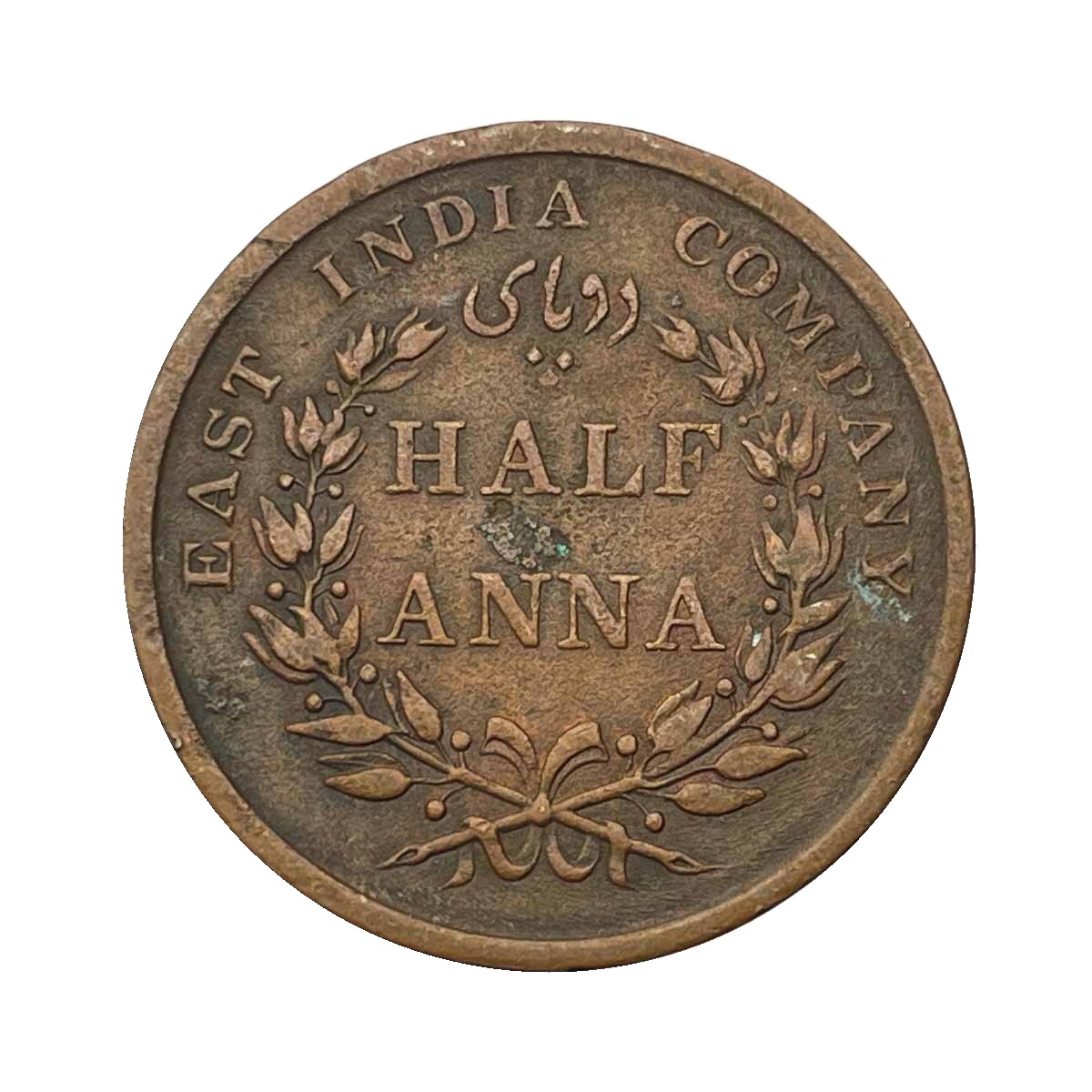
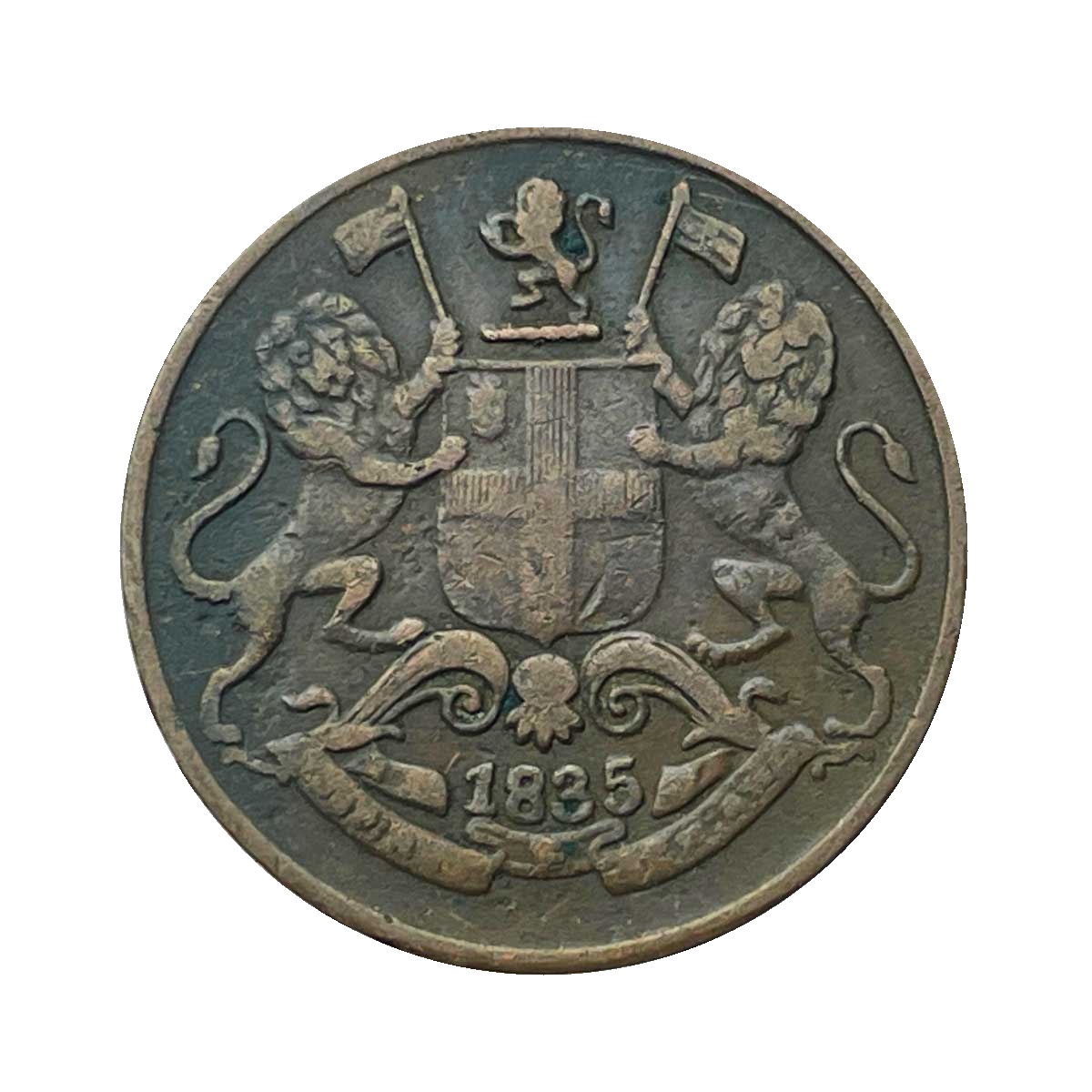
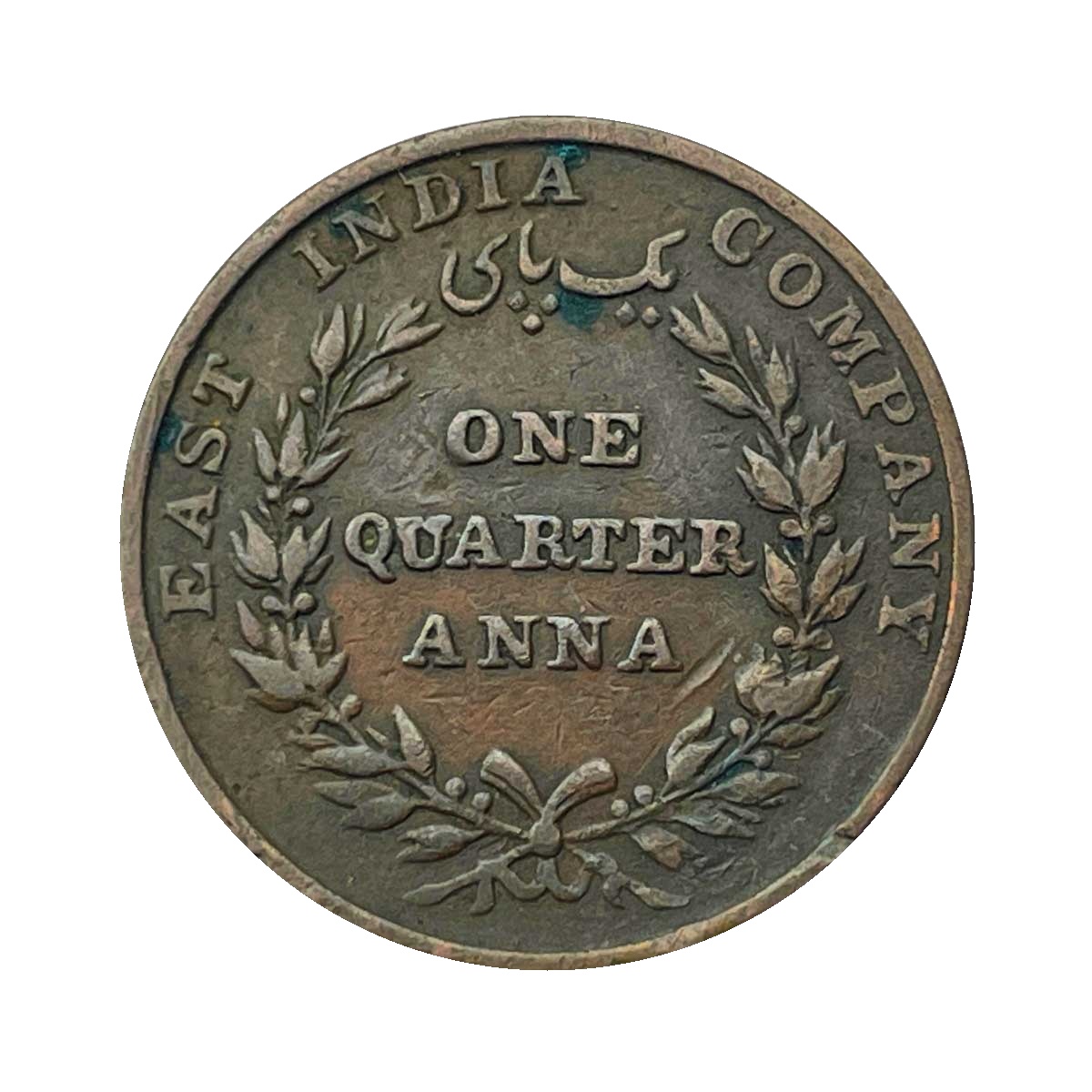
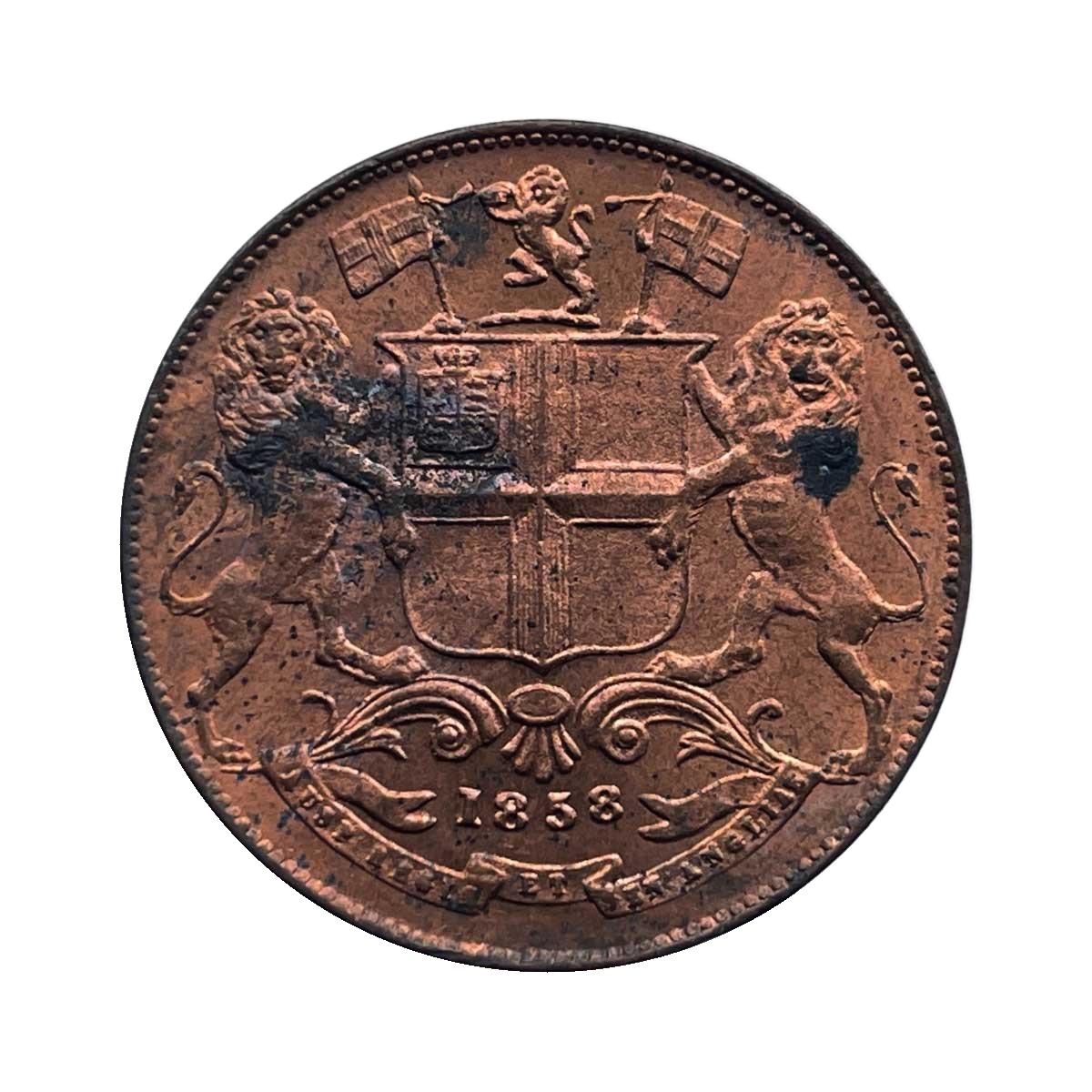
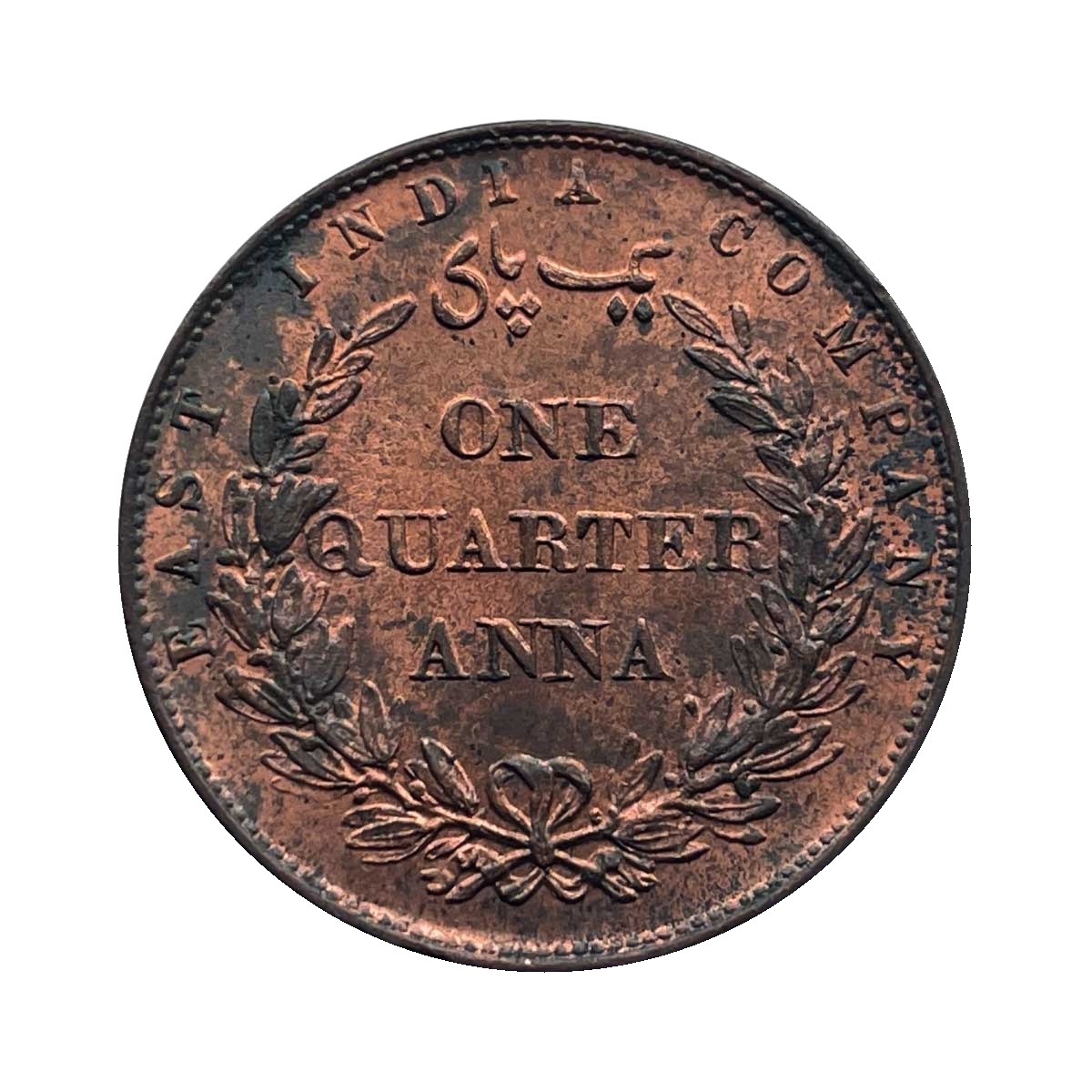
British India · 11.66g Silver · Calcutta Mint
View Coin in CatalogueBritish India · Royal Mint / Bombay · Sharp bust details
View Coin in CatalogueBritish India · 50% Silver · Full cartwheel luster in fields
View Coin in CatalogueRepublic of India · India Government Mint Bombay · Frosted motif
View Coin in Catalogue70-Point Sheldon Coin Grading Spectrum
Traces of handling friction, full details
Near complete details with microscopic cabinet friction or light slide marks on highest peaks.
70% - 95% (strong radial mint luster)
High collector demand; often targeted as premium value buy below MS.
Circulated Very Fine (VF) vs. Choice Mint State (MS-63)
Compare high-point metal wear on circulated coins with undisturbed cartwheel luster on uncirculated specimens.
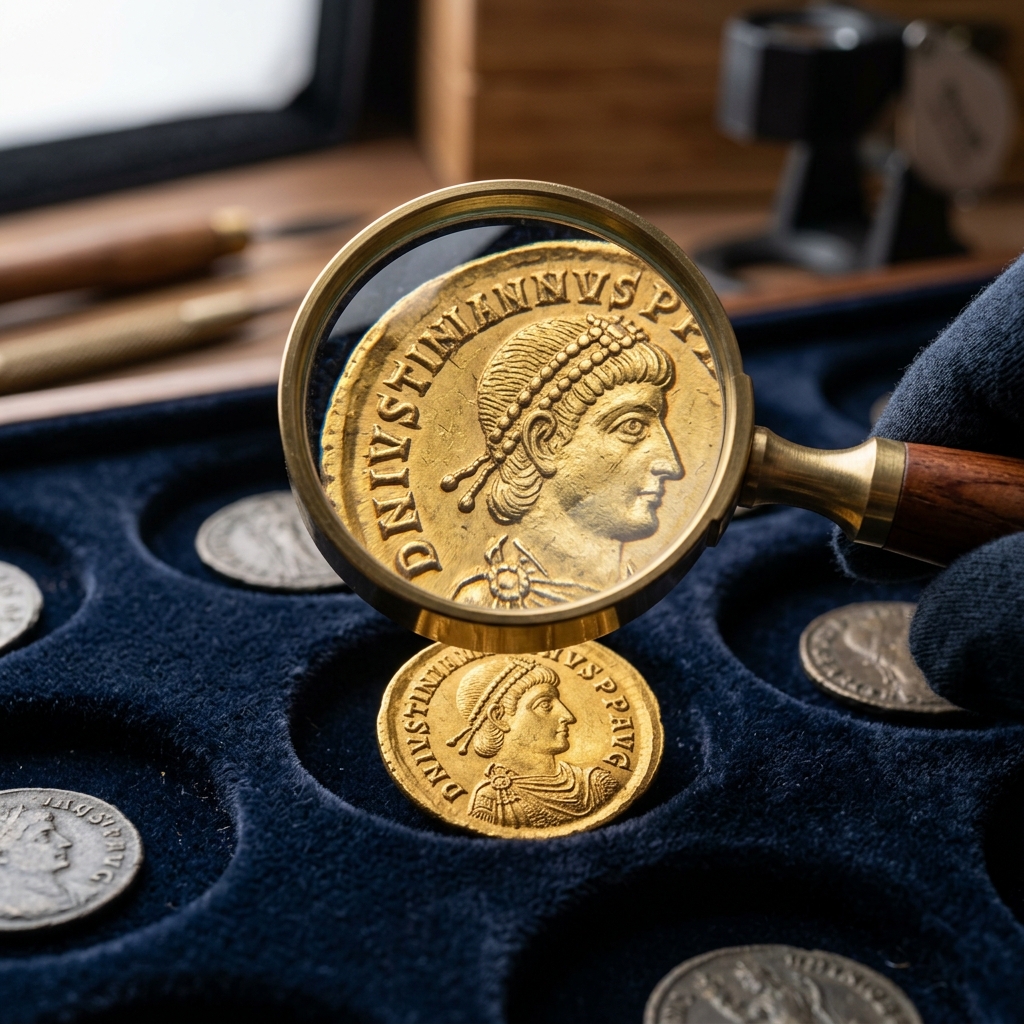
- Light wear visible on highest focal points (portrait cheek, hair, crown jewels)
- Original mint luster removed from open fields during commercial handling
- Complete legends and sharp overall design details remaining
- Smooth, natural surface patina without harsh abrasive cleaning
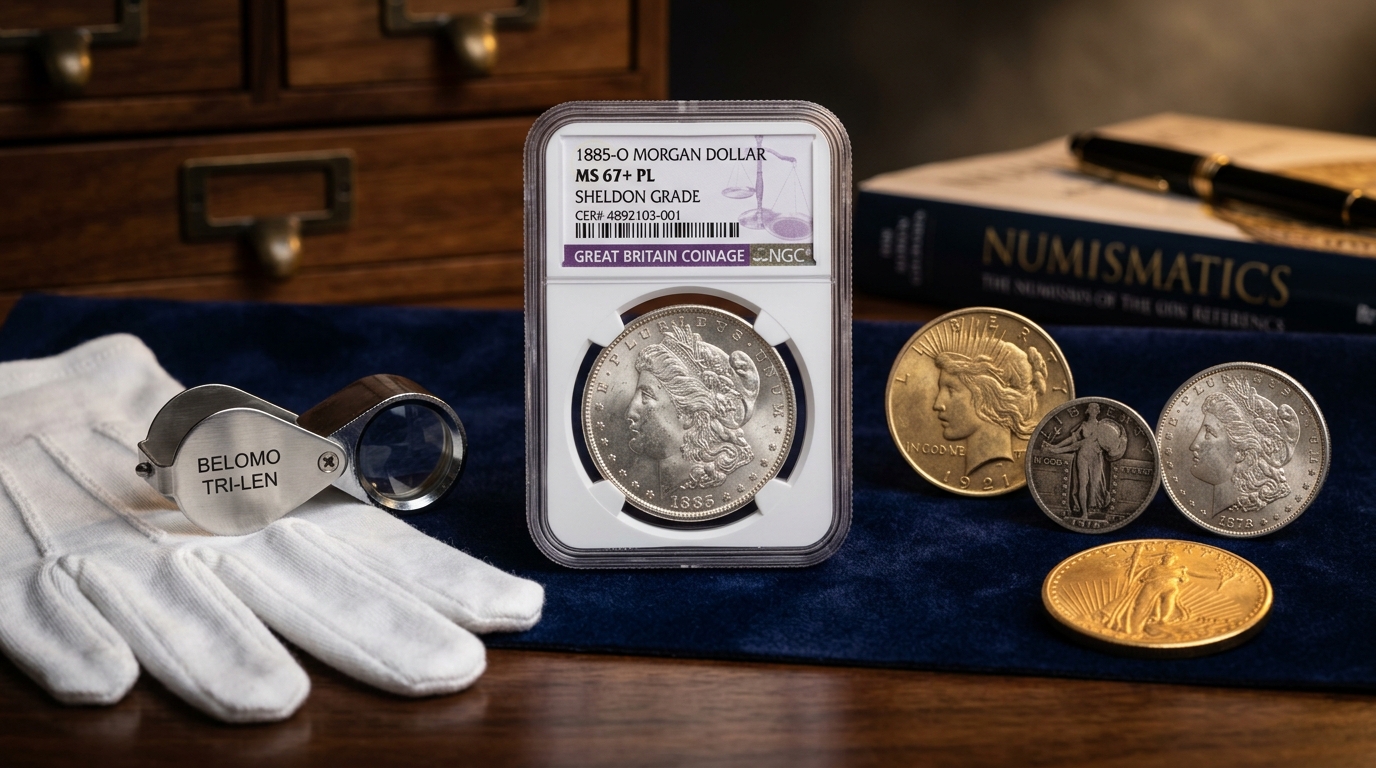
- Zero circulation wear on any design relief points
- Intact original cartwheel luster reflecting light under rotation
- Crisp, full mint strike with sharp design contours
- Certified in third-party acrylic holder (PCGS/NGC slab)
Curated Specimen Examples
Mint State (MS-60 to MS-70) specimens display intact mint luster and zero friction wear on high design points, while circulated grades show progressive metal loss.
Third-party grading services encapsulate authenticated coins in tamper-evident sonic-sealed acrylic slabs with clear Sheldon scale designations.
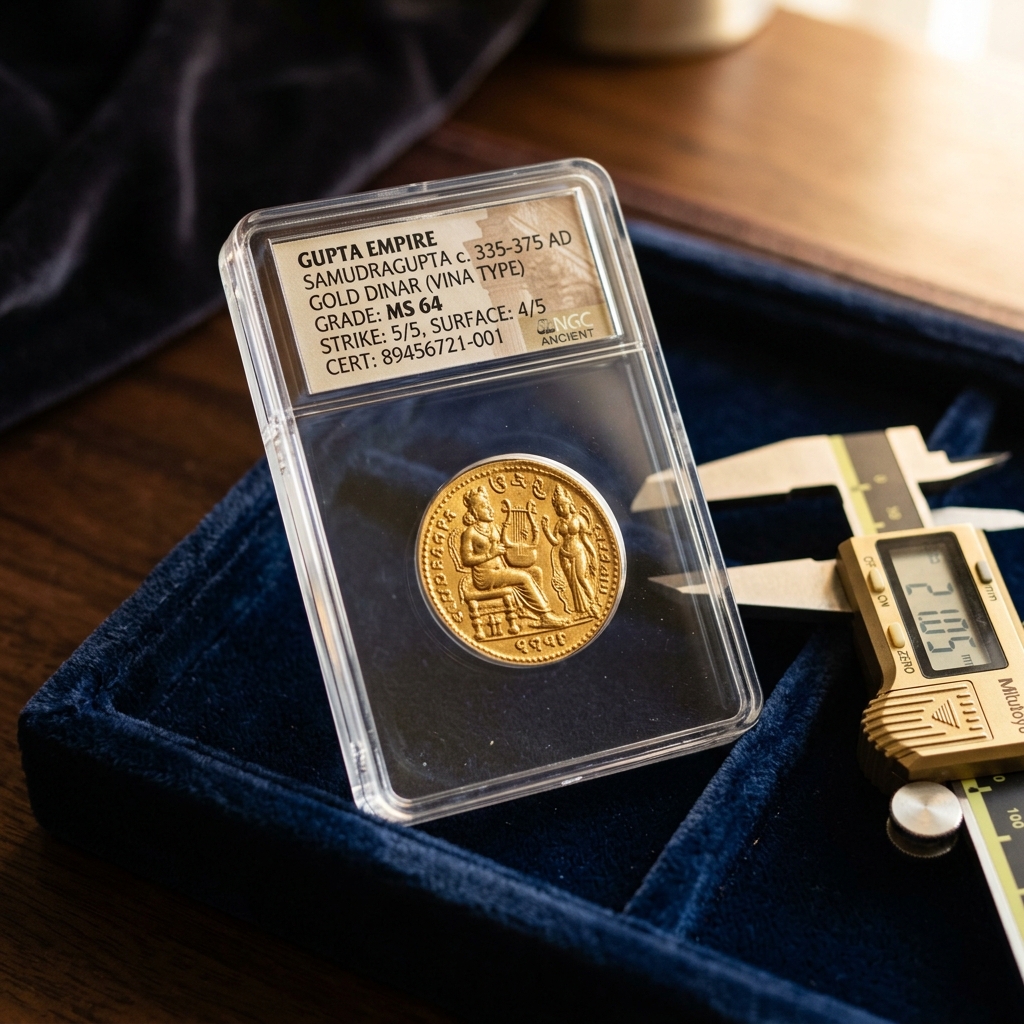
Magnification and directional lighting reveal whether a coin retains its original frosty mint bloom or exhibits hairlines from improper cleaning.
Common Pitfalls & Mistakes to Avoid
Frequently Asked Questions
What is the difference between MS-60 and MS-70?
Both coins have zero circulation wear. However, MS-60 has noticeable bag marks, weak luster, or contact abrasions from handling at the mint, whereas MS-70 is completely flawless under 5x magnification with a full strike and perfect luster.
What does a "Details" grade mean?
A Details grade means the coin has identifiable surface wear corresponding to a grade (such as XF or AU), but cannot receive a straight numerical grade due to problem issues like harsh cleaning, bending, scratches, corrosion, or artificial toning.
How are historic Indian coins (ancient & Mughal) graded?
In addition to the Sheldon scale, historic Indian coins frequently use traditional descriptive grades (Good, Fine, Very Fine, Extremely Fine, UNC). Graders evaluate centering, legend completeness, and strike quality alongside surface wear.
Is a Proof coin always higher grade than a Mint State coin?
Proof describes a specialized manufacturing method (polished dies and blanks), not a grade. Proof coins are graded on their own 70-point scale (PR-60 to PR-70).
Explore the details
Was this numismatic guide helpful?
Your feedback helps our curatorial editorial team refine and expand our research.