ON THIS PAGE
- Overview & Key Concepts
- How to read a mint mark
- Kolkata Mint: no mint mark
- Mumbai or Bombay Mint marks
- Hyderabad Mint marks
- Noida Mint: solid dot
- Proof and UNC marks need context
- A reliable identification workflow
- Avoid false mint-mark attribution
- Foreign Mints Striking Indian Coins
- Common Mistakes to Avoid
- Interactive Mint Finder
- Frequently Asked Questions
Key Takeaways & Executive Summary
Indian mint marks are typically located directly beneath the year of issue on the coin reverse.
Kolkata Mint generally leaves the mint mark area blank (no mark).
Mumbai Mint uses a raised or incuse diamond shape; Hyderabad uses a 5-pointed star.
Noida Mint uses a small solid round dot mark introduced in 1988.
How to read a mint mark
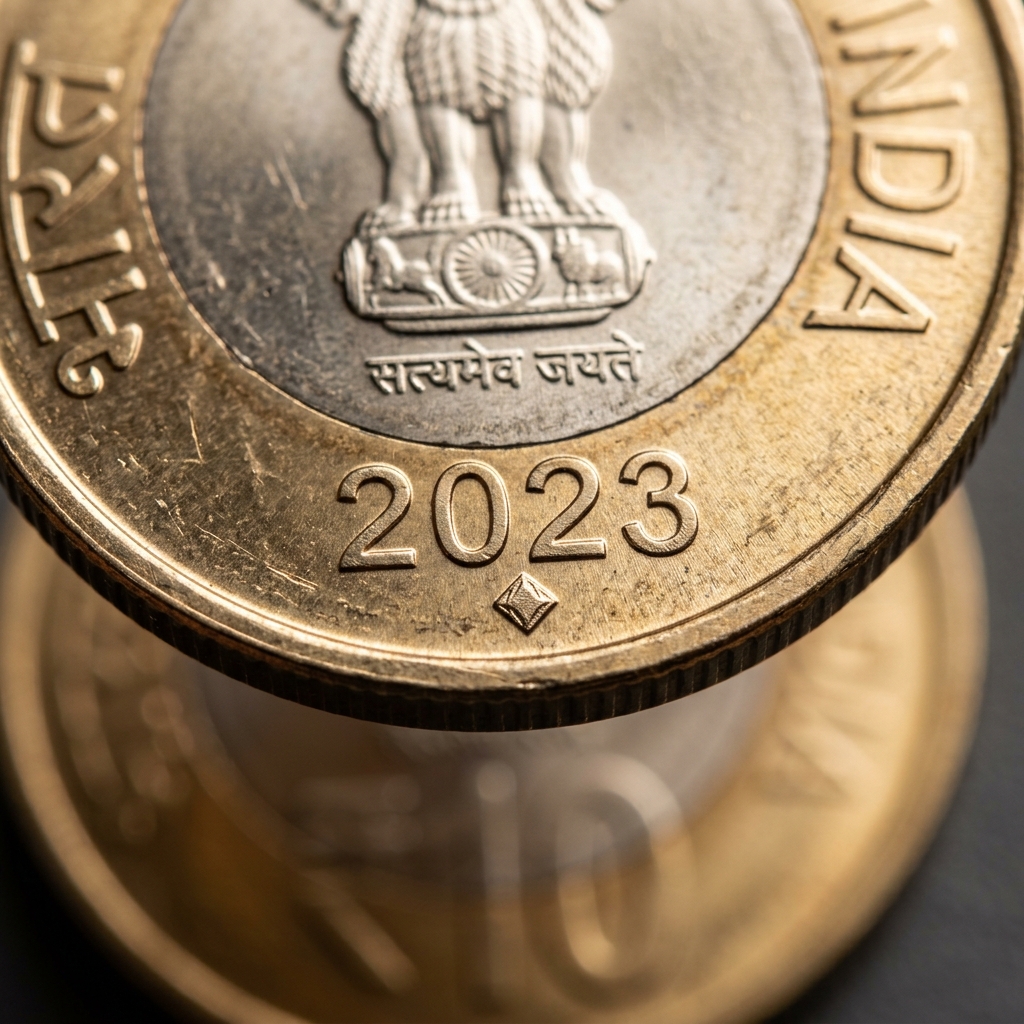
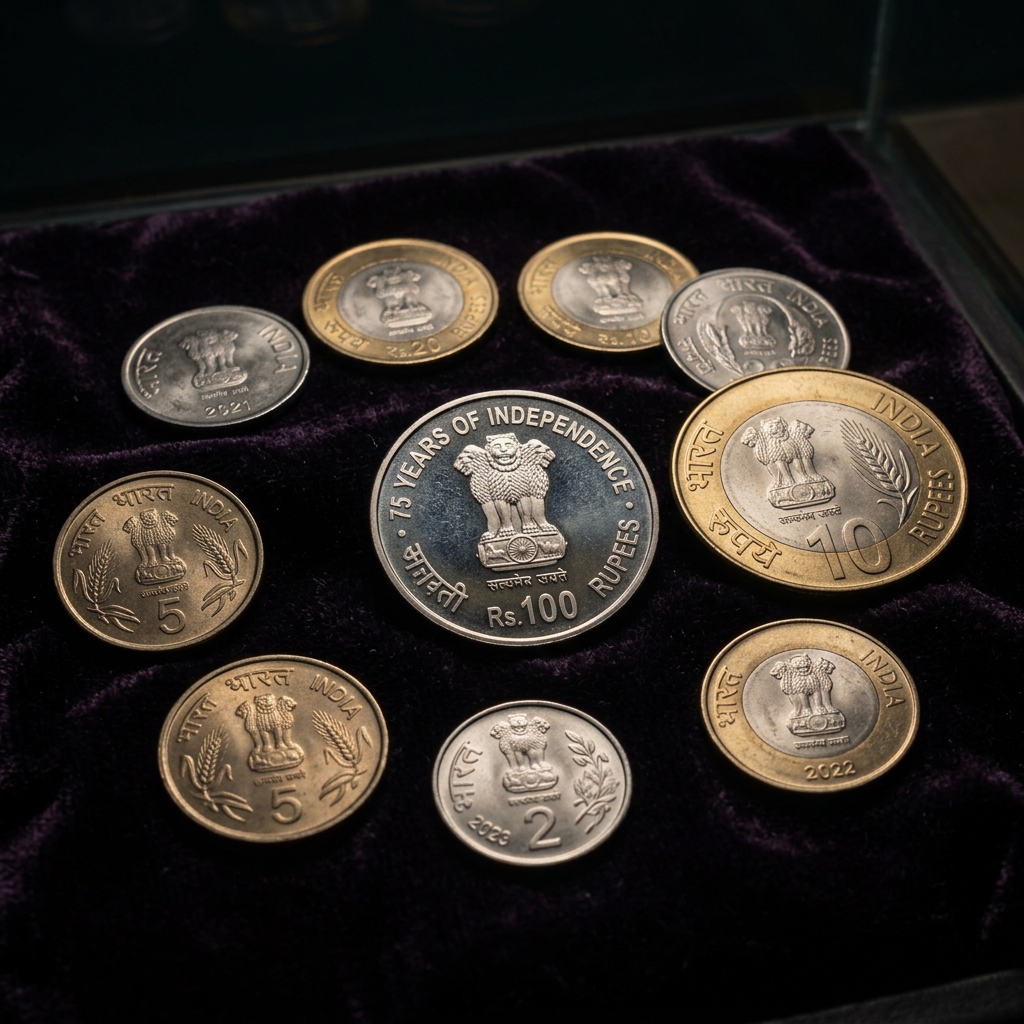
A mark is a production clue that identifies where a coin was struck; it is not the same as a decorative motif. On many modern Indian coins, the mark is a small symbol located on the near or directly below the year. Standard issues may use geometric marks such as a diamond, star or dot, while collector-focused or Uncirculated coins can carry letter codes such as 'M', 'B' or 'U'.
Always record the coin's , year, metal and design together with the symbol and its exact alignment. The same-looking mark can have different significance in another period or series. Use even lighting and magnification, and compare both sides with a verified example before assigning a .
Kolkata Mint: no mint mark
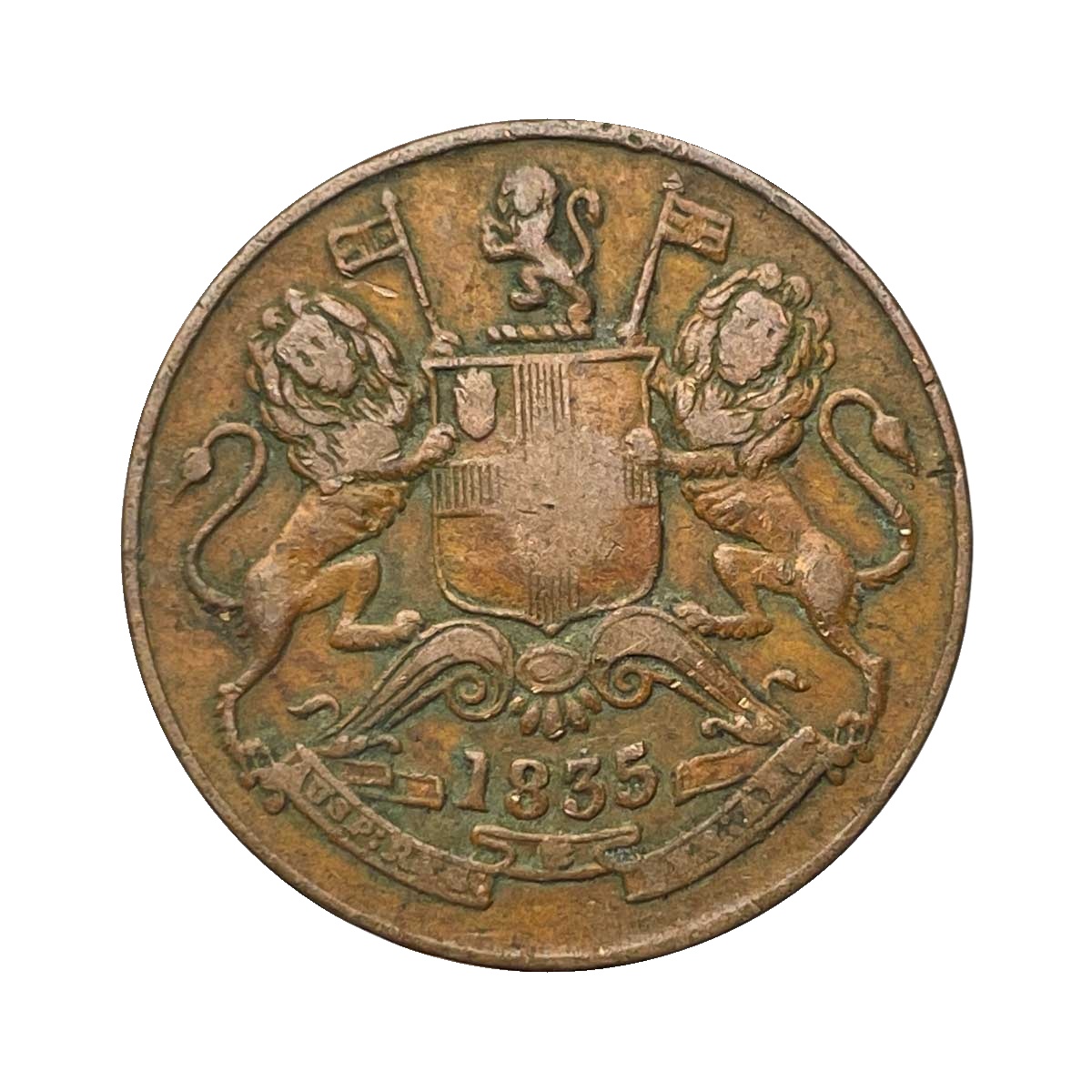
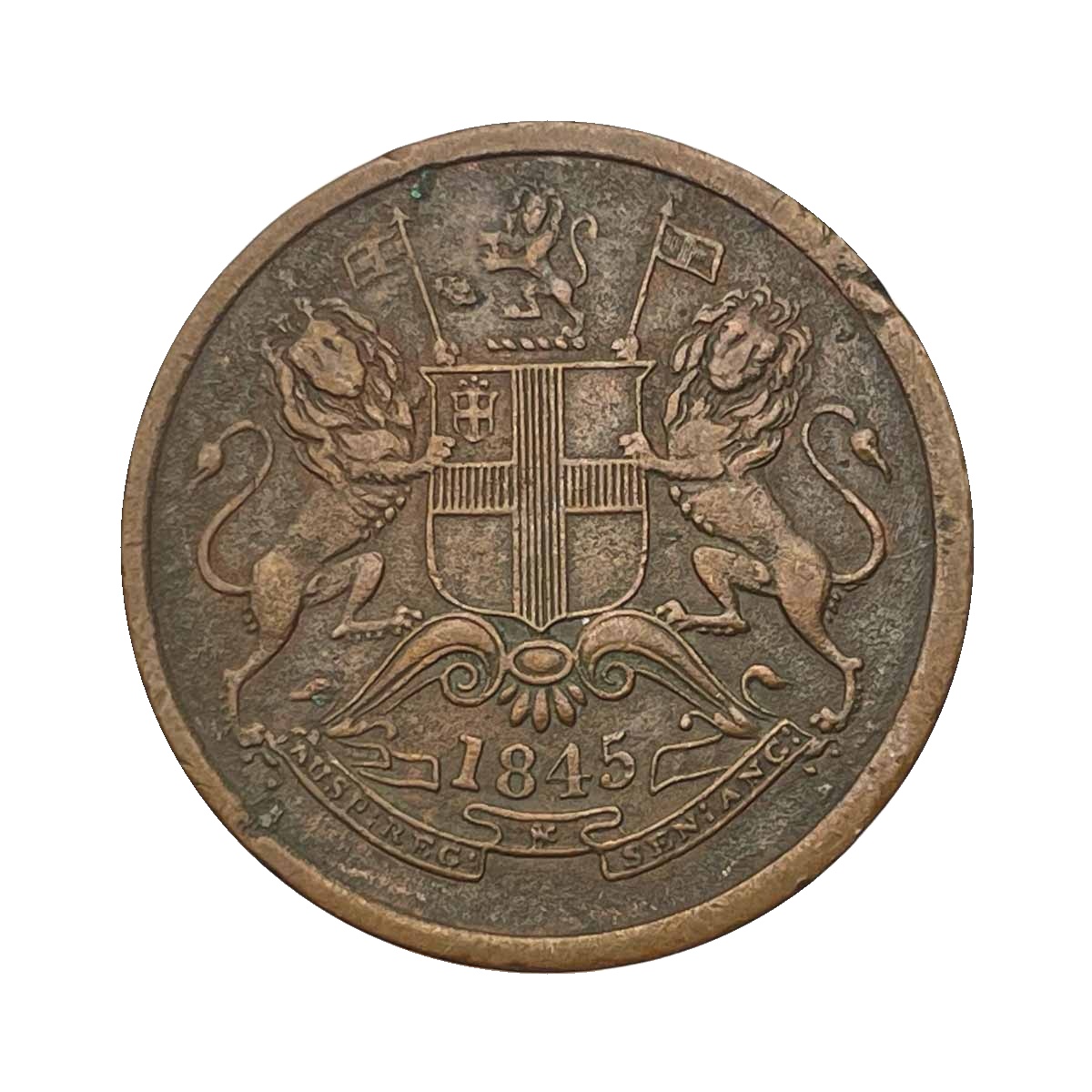
Established in 1757, the Kolkata (Calcutta) is India's oldest operating minting facility. Throughout its history, standard circulation coins produced by the Kolkata have been characterized by the complete absence of a mark. If you inspect the space directly below the date digits on a Republic India coin and find it completely blank and smooth, it indicates that the coin was minted in Kolkata.
Collectors should take care not to confuse this intentional blank space with wear or post-mint damage. If a coin has been heavily circulated, check other details: if there are no ghost traces of a raised diamond or circle, and the metal surface is flat and flush, it is a genuine Kolkata product.
Mumbai or Bombay Mint marks
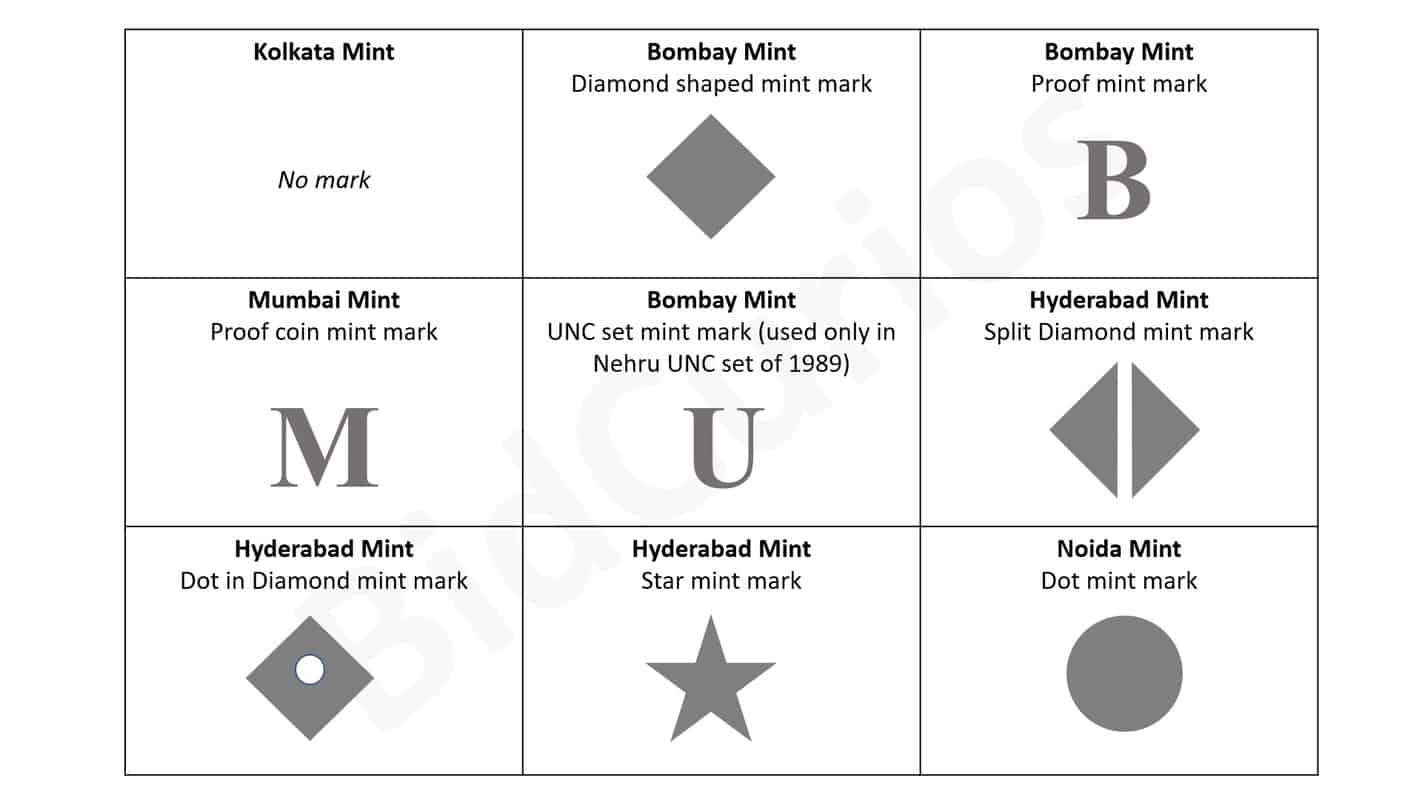
The Mumbai (Bombay) , active since 1829, is one of the most prolific mints in Asia. Standard circulation coins minted in Mumbai are identified by a small, raised diamond symbol centered below the date digits. Over its long history, the has also used letter marks for special collector sets: the letter 'B' was used for sets minted under British Crown rule and early independence, the letter 'M' was introduced for modern Mumbai sets, and the letter 'U' represents special uncirculated sets (such as the 1989 Jawaharlal Nehru commemorative issue).
These letter markings are confined to collector packaging and presentation sets. Finding these letters on a coin in standard pocket change is extremely rare and usually indicates a coin that has been broken out of its original collector set.
Hyderabad Mint marks
The Hyderabad was established in 1803 by the Nizam of Hyderabad, later becoming a central government in 1950. The standard mark for Hyderabad coins is a five-pointed star symbol stamped below the date. However, during transitional periods in the mid-20th century, the experimented with other shapes, including a split diamond and a small dot placed inside a diamond.
Because Hyderabad used more than one across different decades, it is important to cross-reference the coin's date. A star symbol remains the most common and recognizable Hyderabad identifier, representing its rich heritage of numismatic production.
Noida Mint: solid dot
To meet the rapidly growing demand for circulating currency, the Government of India established the Noida near New Delhi in 1988. Noida coins are identified by a small, solid circular dot raised below the date digits. This was the first Indian to be established with modern automated coinage technology.
When verifying a Noida issue, use a magnifier to distinguish the solid dot from random metal flaws, dirt, or environmental pitting. A genuine Noida dot is perfectly circular, raised, and consistently positioned directly beneath the center of the year digits.
Proof and UNC marks need context
The Government of India Mints regularly special collector coins that do not enter general circulation. coins are struck using polished dies on specially prepared planchets, resulting in mirror-like backgrounds and frosted details. Uncirculated () sets are struck using standard dies but are handled with extra care to prevent surface marks. These issues feature special letter marks and are sold in sealed packaging with certificates of authenticity.
If you encounter a loose coin, examine its surfaces for telltale mirror-like fields. Be aware that polished or chemically cleaned circulation coins are sometimes falsely sold as rare issues, so check for the official letter marks and verify the coin's pedigree.
A reliable identification workflow
To successfully identify marks, follow a disciplined workflow. First, photograph the date area under flat, even light from an angle (oblique lighting) to cast shadows that highlight the raised symbol. Second, record the coin's year and . Third, compare the symbol against standard mark charts. If the coin is heavily worn, look for secondary diagnostics, such as specific design varieties that are unique to certain mints during that year, to confirm your attribution.
Avoid false mint-mark attribution
Dirt, corrosion, wear, scratches and small impact marks can imitate a symbol. A genuine mark should have the expected , relief and position for that exact and year. A missing-looking symbol may also result from wear, so a blank area should not automatically be called a Kolkata issue without comparison.
For valuable coins, confirm the attribution using weight, diameter, , metal and design diagnostics in addition to the mark. Be cautious of altered or added marks and seek specialist authentication when the claimed carries a substantial premium.
Foreign Mints Striking Indian Coins
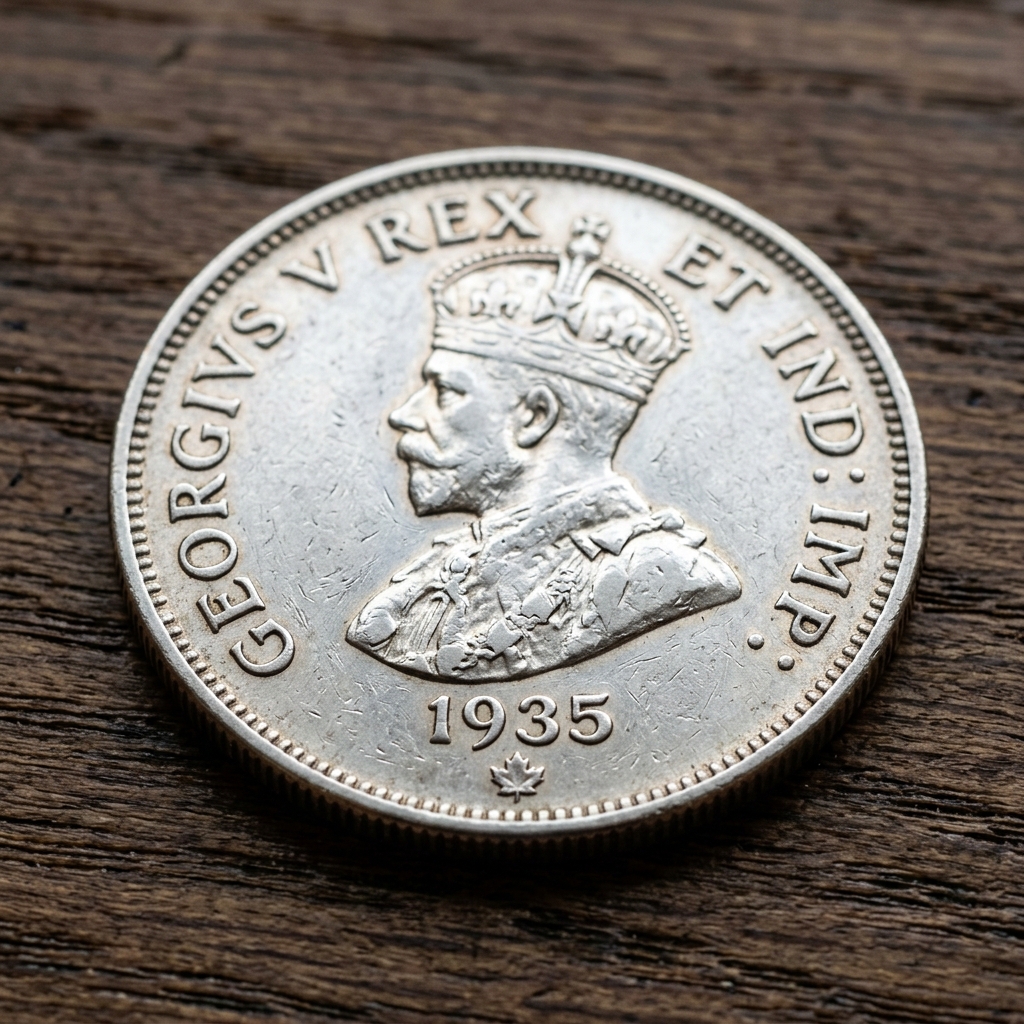
During periods of severe metallic currency shortages in India—especially in the late 19th century and several times post-independence in the 1980s and 1990s—the Indian Government contracted foreign mints to Indian coins. These foreign strikes carry unique marks that distinguish them from domestic production.
Key foreign marks on Indian coins include: the letter 'H' below the date for the Heaton in Birmingham (common on British India and early Republic coins); the letters 'KN' for King's Norton in Birmingham; a small maple leaf symbol below the date for the Royal Canadian in Ottawa/Winnipeg; a star in a circular shield for the Korea Minting Corporation (KOMSCO); a letter 'M' in a circle or no mark for the Moscow ; and various other symbols for mints in Pretoria, London, Seoul, and Kremnica. Identifying these foreign marks adds an exciting layer of and history to a collection, mapping out India's global monetary connections.
Mint mark finder
Select the shape visible near your coin’s date.
Mumbai (Bombay)
A solid diamond below or near the date commonly identifies Mumbai. Some issues use the letters B or M instead.
Usually below the year; placement can vary by design.Common Pitfalls & Mistakes to Avoid
Frequently Asked Questions
Where is the mint mark on an Indian coin?
On many Republic India coins it appears on the reverse near or below the date, but its position varies by design and series.
Which Indian mint normally uses no mint mark?
Kolkata circulation issues are commonly associated with no mint mark, but the denomination and year should still be checked because wear can hide a small symbol.
Can damage look like a rare mint mark?
Yes. Dirt, corrosion, scratches, die wear and impact marks can resemble dots or other symbols. Confirm shape, relief and placement against a verified reference.
Explore the details
Was this numismatic guide helpful?
Your feedback helps our curatorial editorial team refine and expand our research.