ON THIS PAGE
- Overview & Key Concepts
- Chronological overview
- Ancient beginnings: punch-marked coinage
- Portraits, bilingual legends and the classical age of gold
- Sultanate and Mughal monetary systems
- Company rule, British India and independence
- How to use this guide
- Catalogue links
- Curated Specimen Examples
- Common Mistakes to Avoid
- Frequently Asked Questions
Key Takeaways & Executive Summary
India was one of the earliest civilizational centers of coinage alongside Lydia and ancient China (c. 6th century BCE).
Punch-marked coins (Karshapanas) used symbolic punch marks rather than portraits or written legends.
The Indo-Greeks introduced realistic royal portraits, bilingual inscriptions (Greek & Kharoshthi), and high relief dies.
Mughal emperors standardized the silver Rupee (introduced by Sher Shah Suri) and created intricate poetic couplets (Bait).
Republic of India adopted decimalisation on 1 April 1957, dividing 1 Rupee into 100 Naye Paise.
Chronological overview
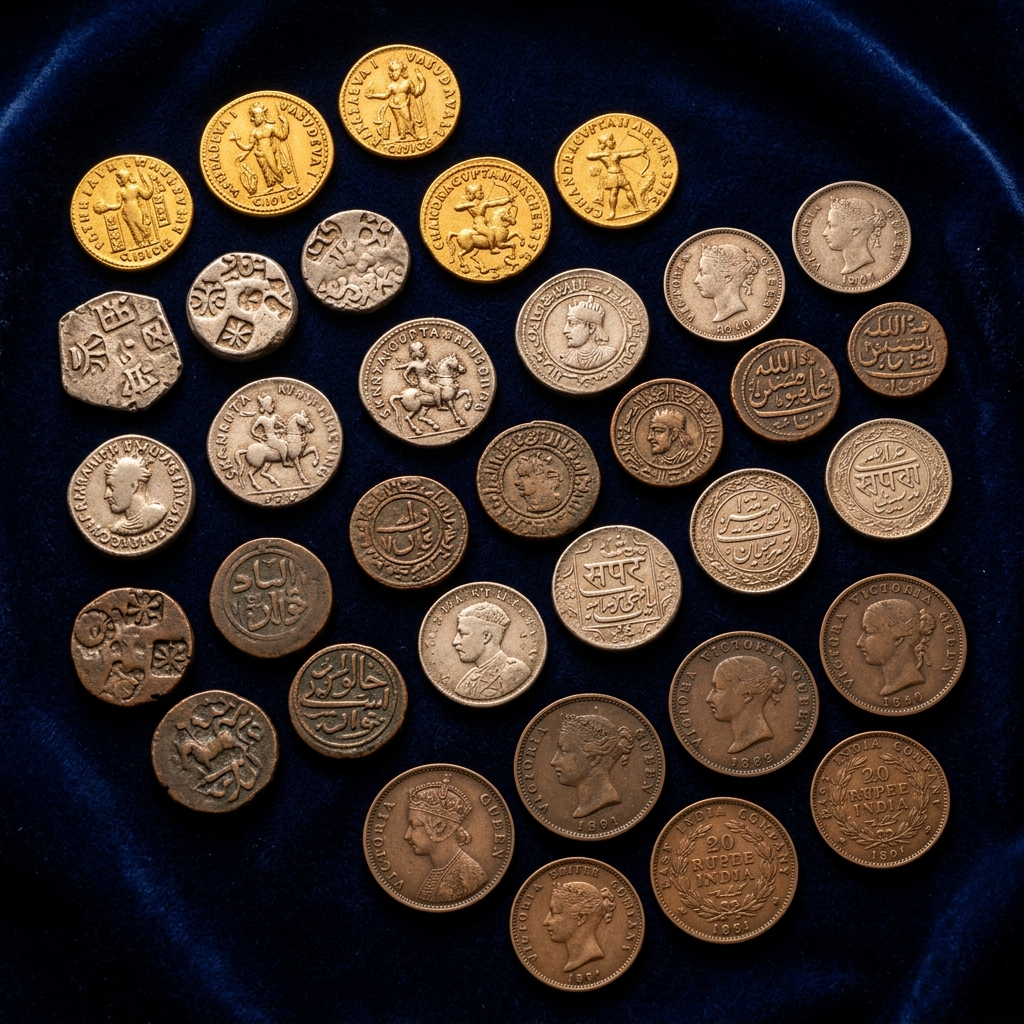
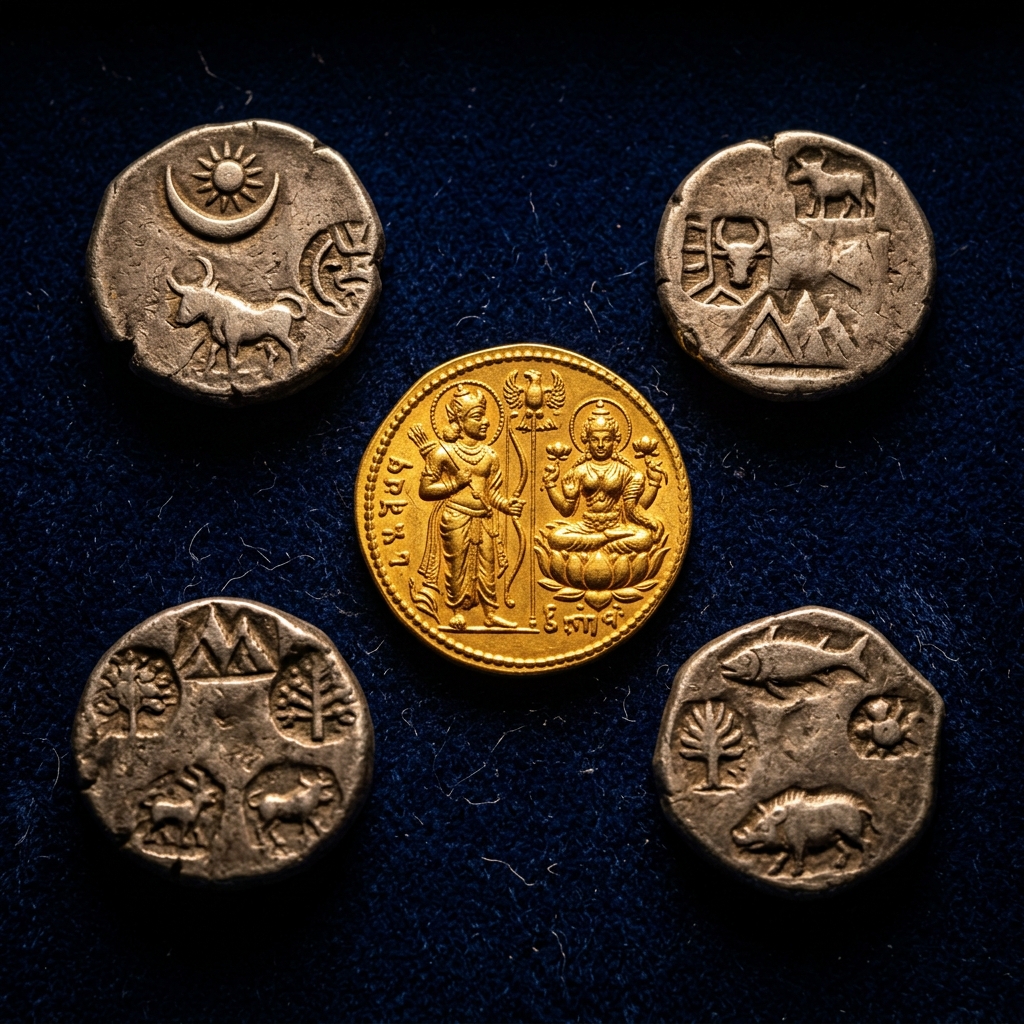
Indian coinage spans more than twenty-five centuries and records the political, economic and cultural history of the subcontinent. The journey begins with silver punch-marked coins of the Janapadas and Mauryan Empire. Indo-Greek and Kushan rulers later introduced portraiture, bilingual legends and major gold issues, while Gupta gold dinars paired refined Sanskrit legends with images of rulers as archers, musicians and participants in royal rituals.
Medieval coinage increasingly used inscription-led designs. The Delhi Sultanate developed influential silver and copper jital systems; Sher Shah Suri issued the silver rupiya; and the Mughal Empire expanded a stable tri-metallic network of gold mohurs, silver rupees and copper dams. East India Company and Crown rule brought increasingly uniform machine-struck issues, followed after independence by Republic India designs centred on national symbols and decimal currency.
Ancient beginnings: punch-marked coinage
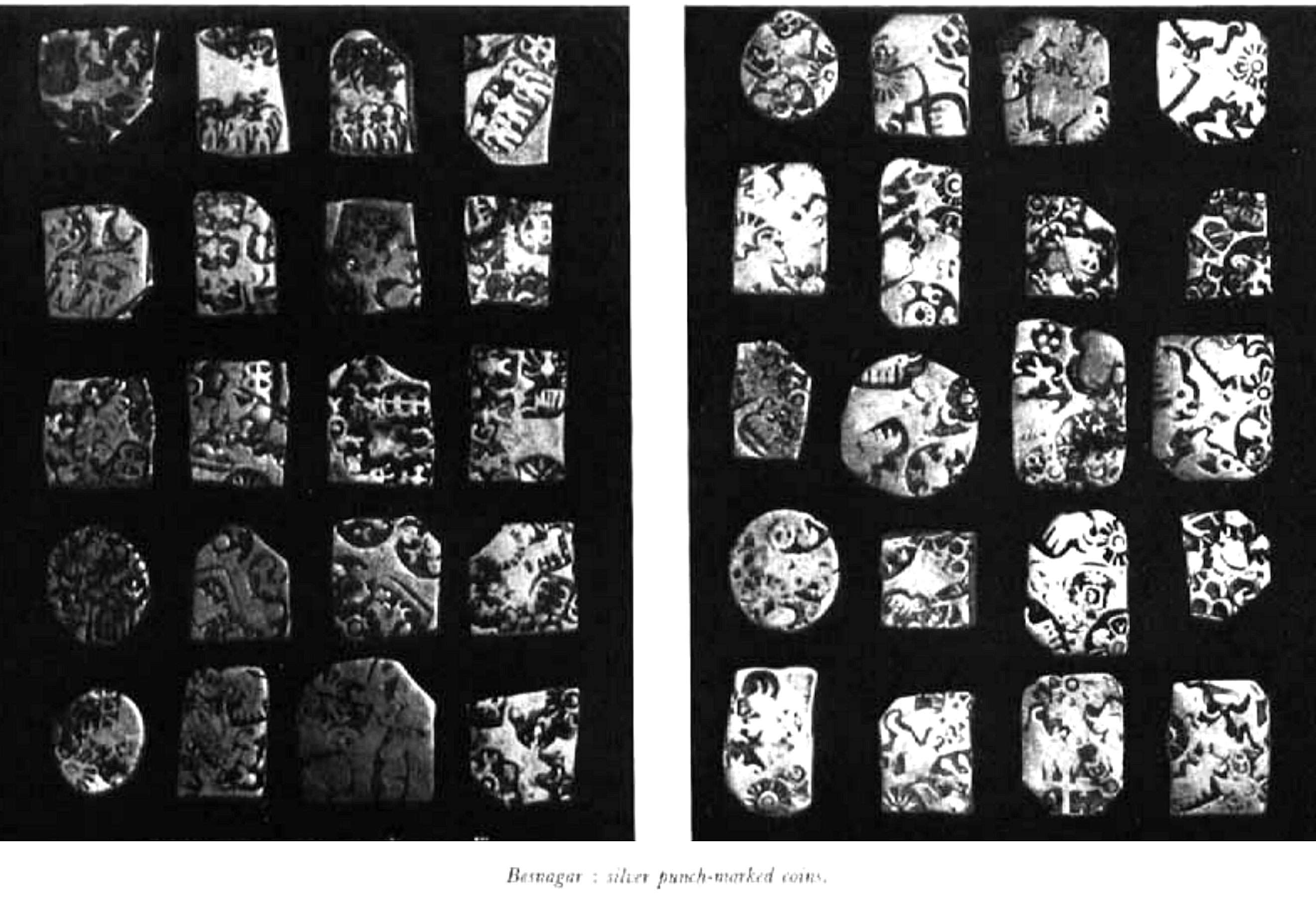
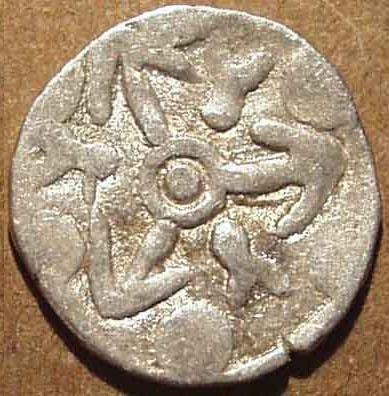
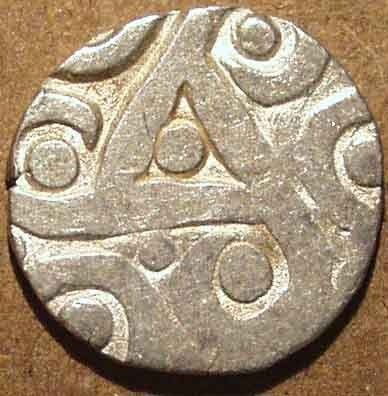
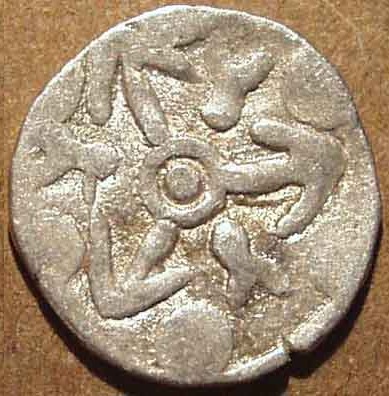
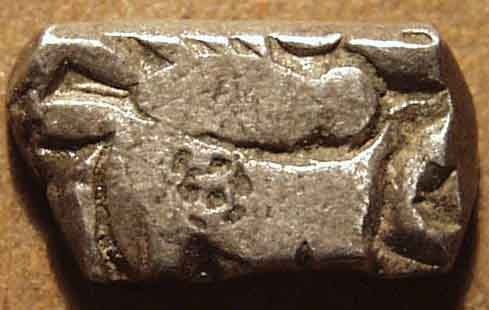
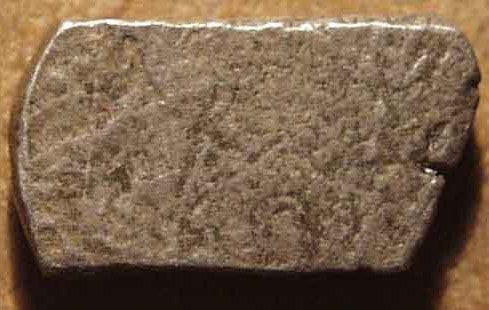
Indian coinage emerged around the 6th century BCE with silver punch-marked issues associated with regional Janapadas and later the Mauryan state. Instead of a single engraved design, separate punches applied symbols such as suns, animals, trees, hills and geometric forms. The flans were often irregular, but weight standards—commonly associated with the karshapana tradition—made the pieces usable as money.
These coins are best studied through their weight, fabric, symbol combinations and archaeological context. A symbol alone rarely proves an attribution because similar motifs circulated across regions and periods.
Portraits, bilingual legends and the classical age of gold
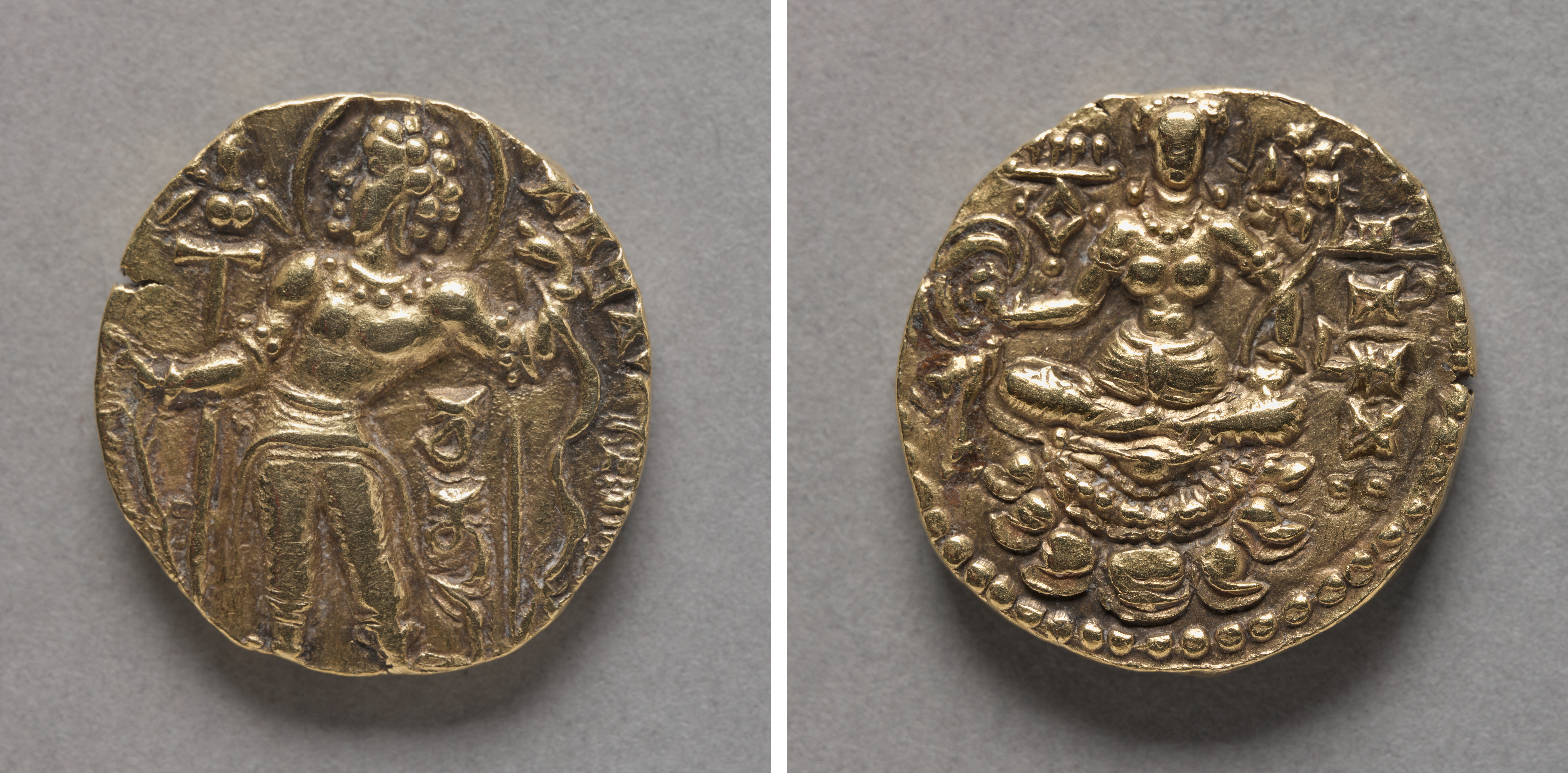
After the Mauryan period, Indo-Greek rulers placed lifelike royal portraits and Greek legends on their coins, often pairing them with inscriptions on the . Kushan coinage combined royal imagery with a wide religious pantheon and established an important gold-dinar tradition.
The Gupta Empire carried Indian gold coinage to an exceptional artistic level between the 4th and 6th centuries CE. Gupta dinars portrayed rulers in martial, ceremonial and cultural scenes—including archery, horse-sacrifice and veena-playing types—alongside Sanskrit legends and divine figures.
Sultanate and Mughal monetary systems
Delhi Sultanate coinage shifted emphasis toward Arabic and Persian inscriptions naming rulers, religious formulas, dates and mints. Silver tankas and copper jitals became influential denominations, though standards varied across dynasties and regions. South Indian kingdoms continued distinct traditions, including gold pagodas and locally rooted iconography.
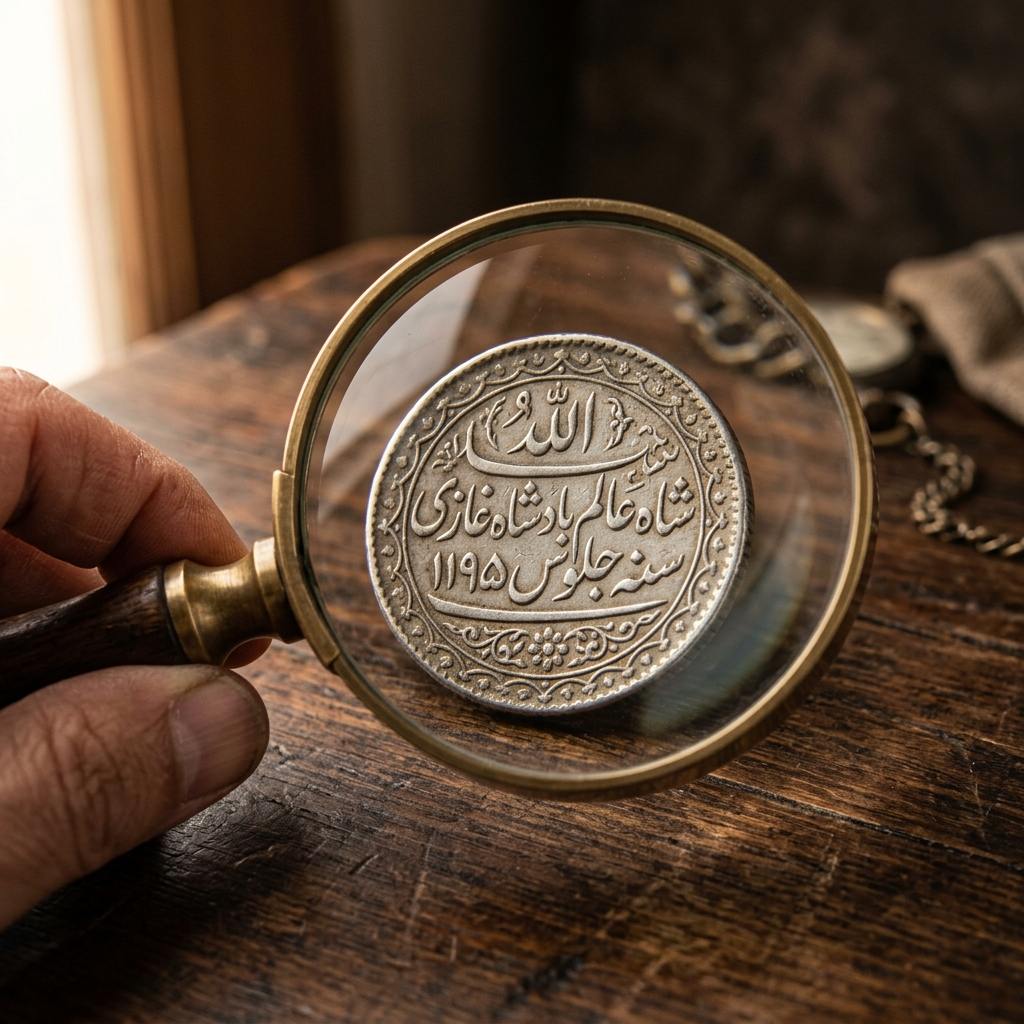
In the 16th century, Sher Shah Suri issued a carefully regulated silver rupiya that strongly influenced later systems. The Mughal Empire developed a wide network and a broadly stable relationship among the gold mohur, silver and copper dam. Calligraphy, regnal years, names and occasional poetic or zodiacal designs make Mughal coins especially rich historical documents.
Company rule, British India and independence
The East India Company initially issued varied presidency and regional coinages before moving toward uniform standards during the 19th century. After authority passed to the British Crown in 1858, coins carried imperial portraits and titles from Queen Victoria through George VI, with increasingly mechanised production and consistent denominations.
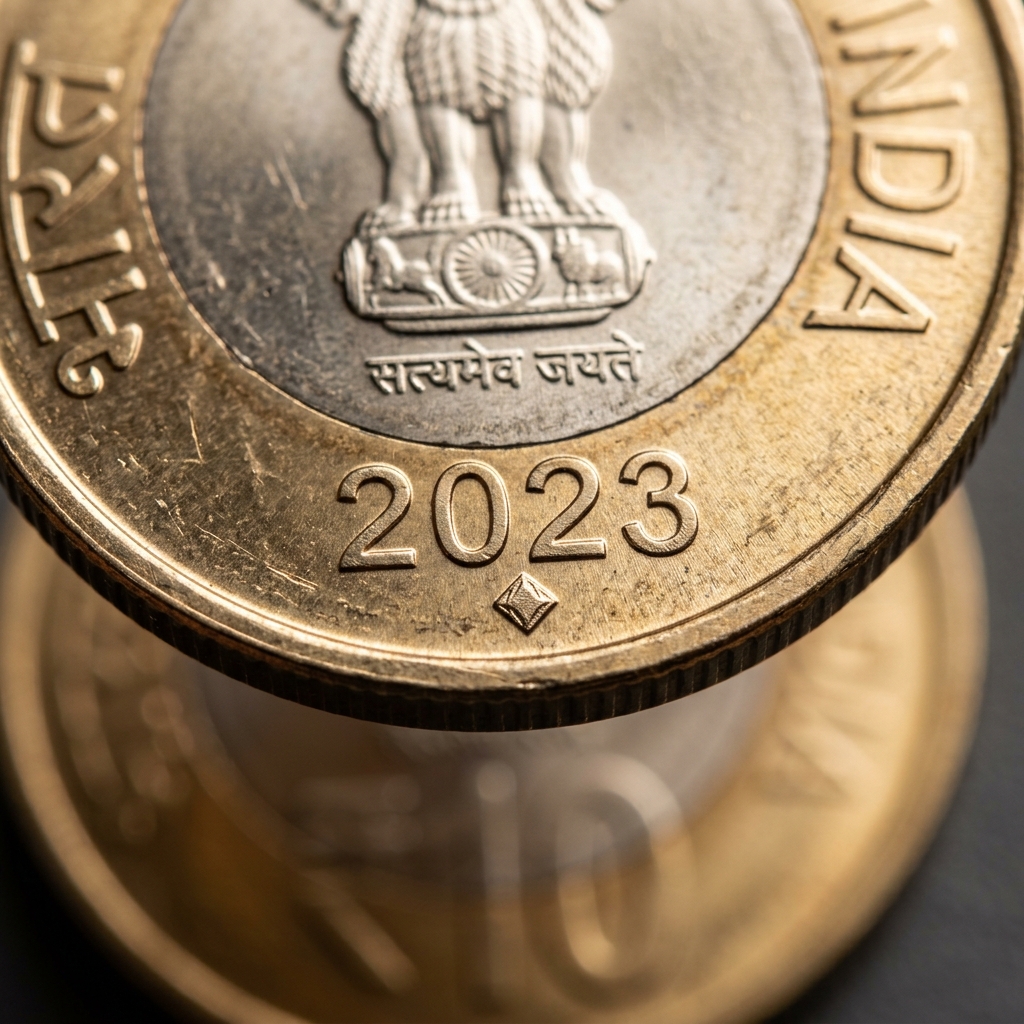
Independent India retained the inherited system briefly. The first Republic coins appeared in 1950 with the Lion Capital of Ashoka replacing the monarch. Decimalisation followed in 1957, dividing the into 100 naye paise; the word “naye” was later dropped. Subsequent decades brought aluminium, stainless-steel and bimetallic issues, alongside an extensive commemorative programme.
How to use this guide
Navigating Indian numismatics requires a structured approach to filter out the thousands of potential attributions. Collectors should start by observing basic physical evidence: the coin's metal (gold, silver, copper, or base alloys), its weight in grams, and its diameter. For example, a heavy, thick gold coin is highly likely to be ancient (Kushan or Gupta) or medieval, whereas a uniform cupro-nickel or stainless steel coin points straight to modern Republic India. Second, inspect the legends and scripts. Early coins use or scripts, medieval and Mughal coins feature Arabic or Persian calligraphic scripts, and modern issues use Devanagari or English.
Once these baseline parameters are noted, refer to individual era guides to drill down further. Compare your coin's imagery, symbols, and dates with verified catalog specimens. Look out for marks or specific ruler names to confirm a classification, which will lead you to a precise historical attribution.
Catalogue links
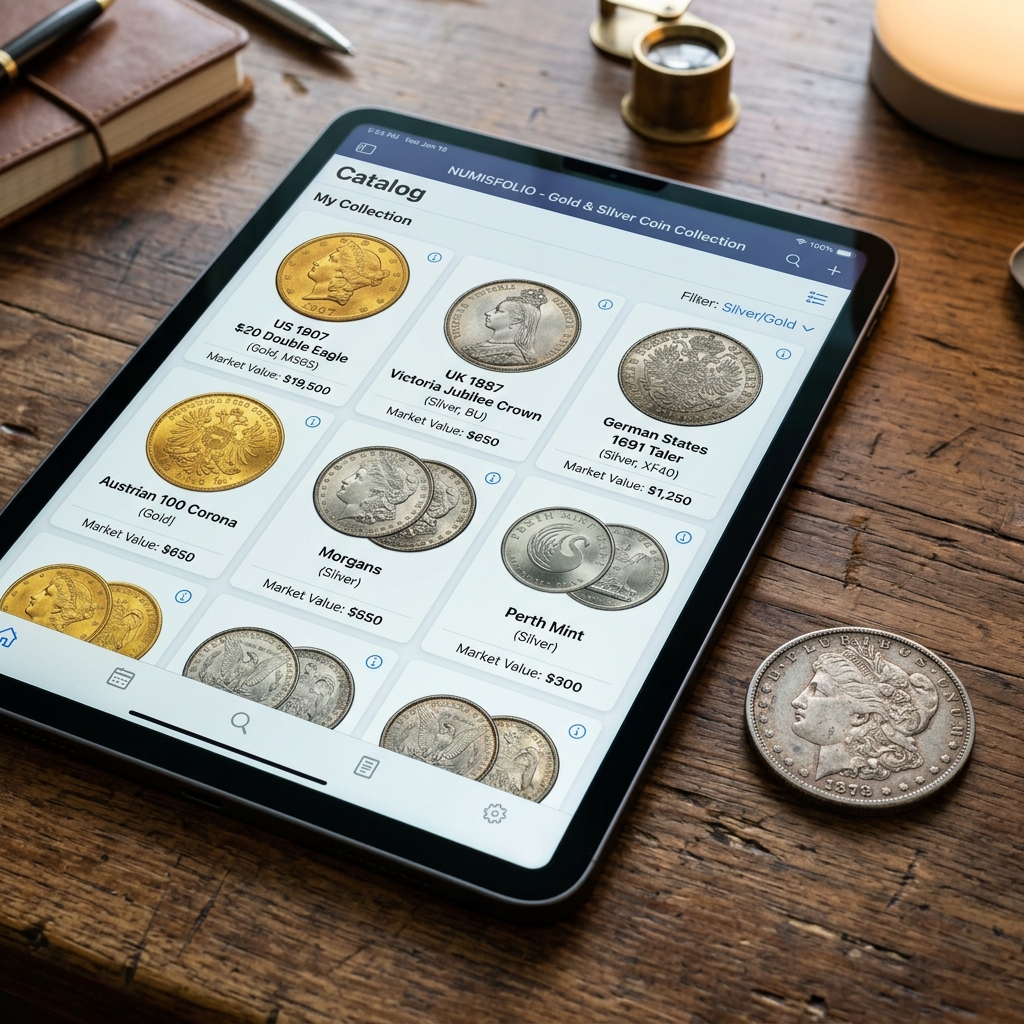
The Gullaq database offers comprehensive, searchable listings categorized by major eras and regions. By clicking through our curated collections, you can compare high-resolution photographs of obverses and reverses side-by-side. Our catalog supports advanced filtering, allowing you to narrow down coins by dynasty, issuing ruler, copper or silver content, , and name. This visual comparison is key for identifying minor variations, distinguishing between lookalike issues, and recognizing rare varieties that carry premium historical and collector values.
Curated Specimen Examples
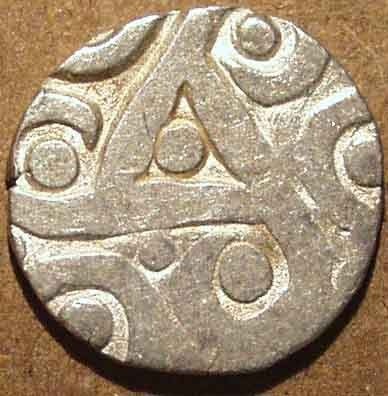
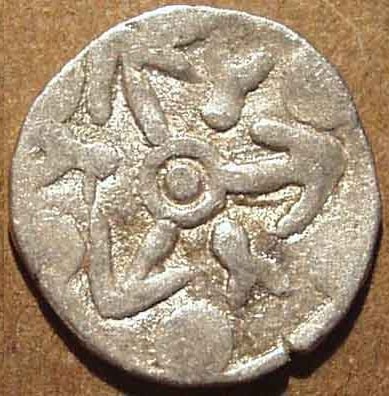
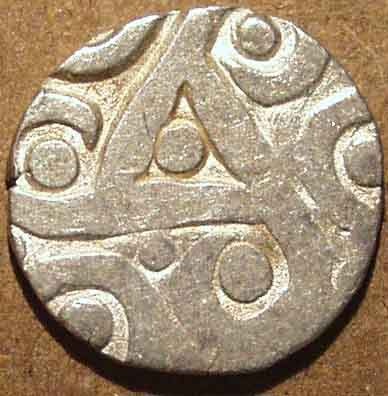
An early Indian monetary type identified through weight, fabric and its combination of punched symbols.
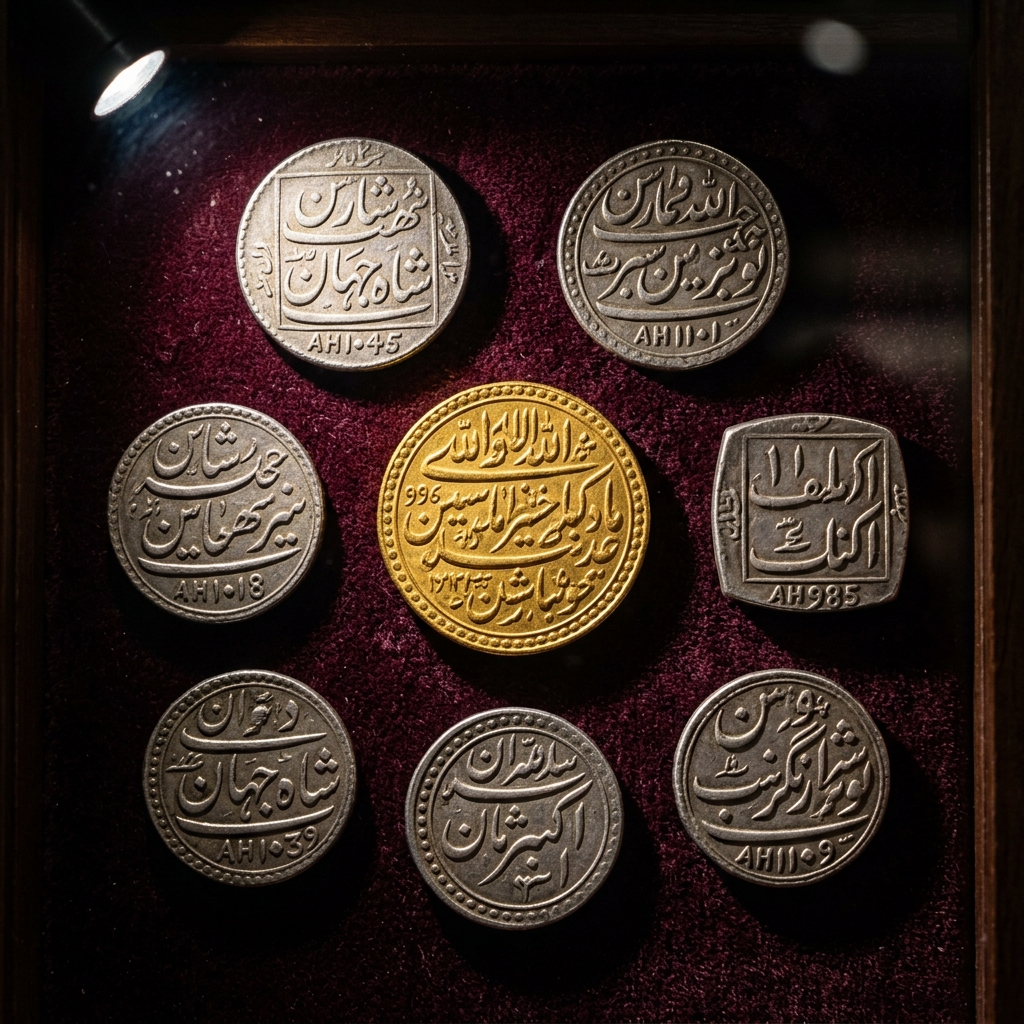
A gold imperial issue demonstrating the calligraphy, mint information and regulated denominations of Mughal coinage.
Common Pitfalls & Mistakes to Avoid
Frequently Asked Questions
Who introduced the silver rupiya?
Sher Shah Suri issued a regulated silver rupiya in the 16th century. Its standard strongly influenced the later Mughal rupee and the modern currency name.
What are punch-marked coins?
They are among India’s earliest coins, usually made of silver and marked with multiple separately punched symbols rather than one complete die-struck design.
When did India adopt decimal coinage?
India adopted decimal currency on 1 April 1957, dividing one rupee into 100 naye paise.
Explore the details
Was this numismatic guide helpful?
Your feedback helps our curatorial editorial team refine and expand our research.