Key Takeaways & Executive Summary
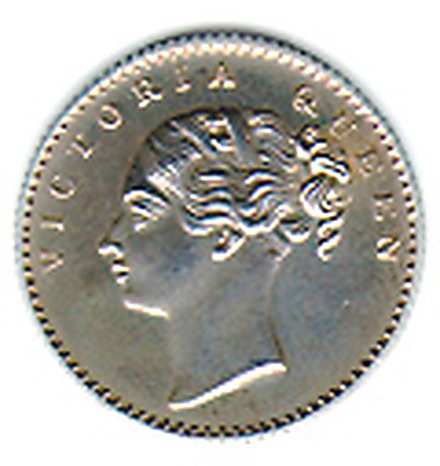
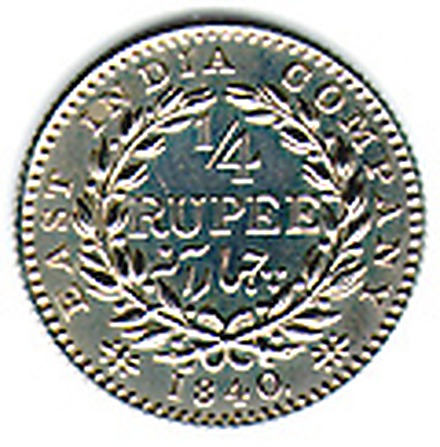
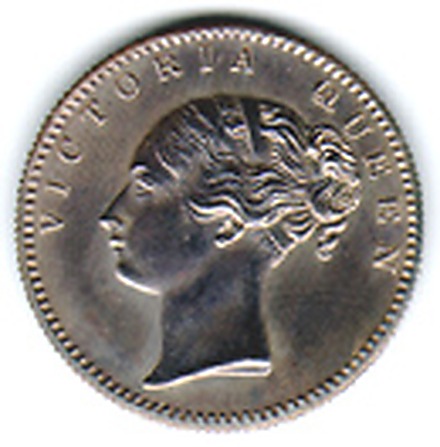
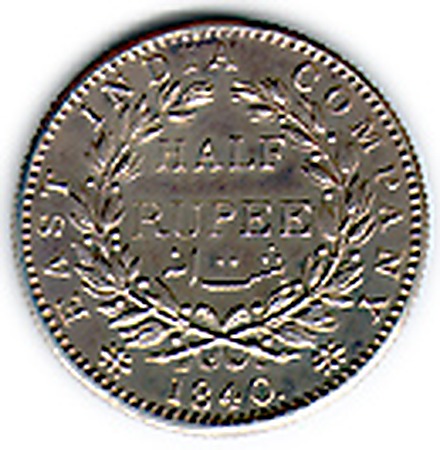
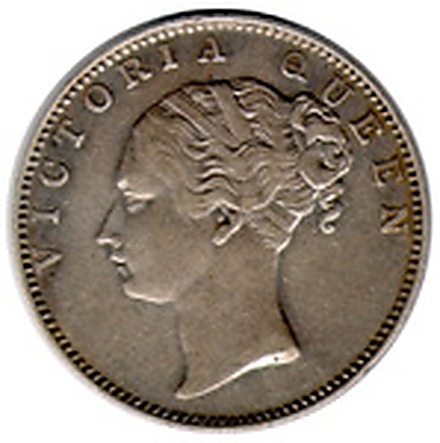
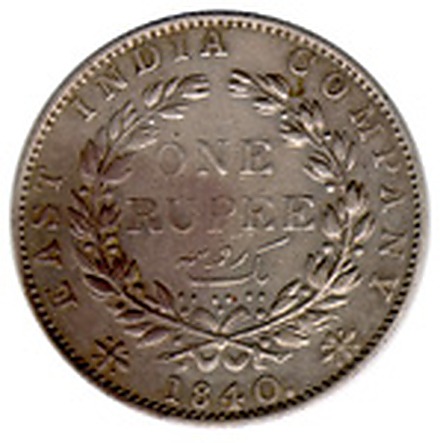
A focused guide to British India coins, including East India Company issues, Queen Victoria, Edward VII, George V and George VI coinage.
Carefully inspect the date, mint mark, metal purity, and die alignment.
Always preserve natural surface integrity and avoid harsh chemical treatments.
Cross-reference catalog numbers with verified numismatic references before purchase.
British India coin periods
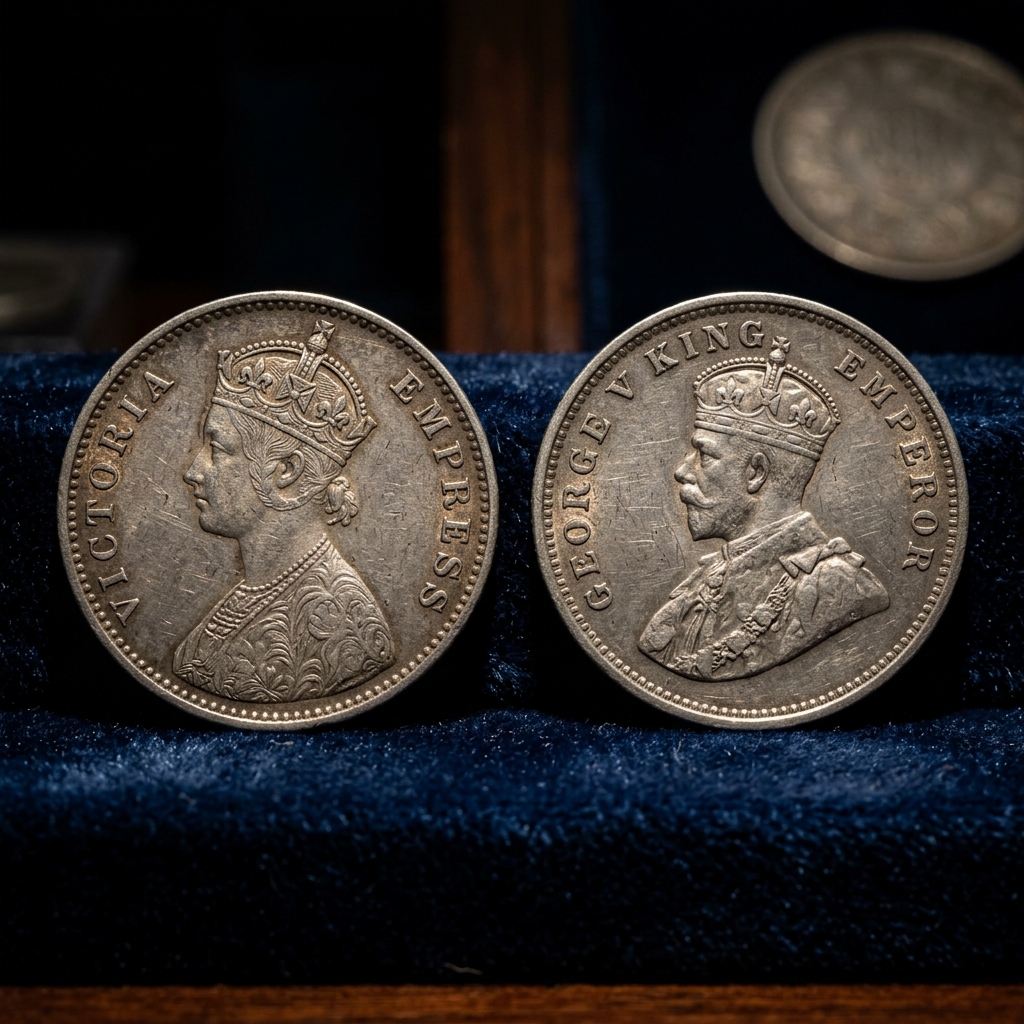
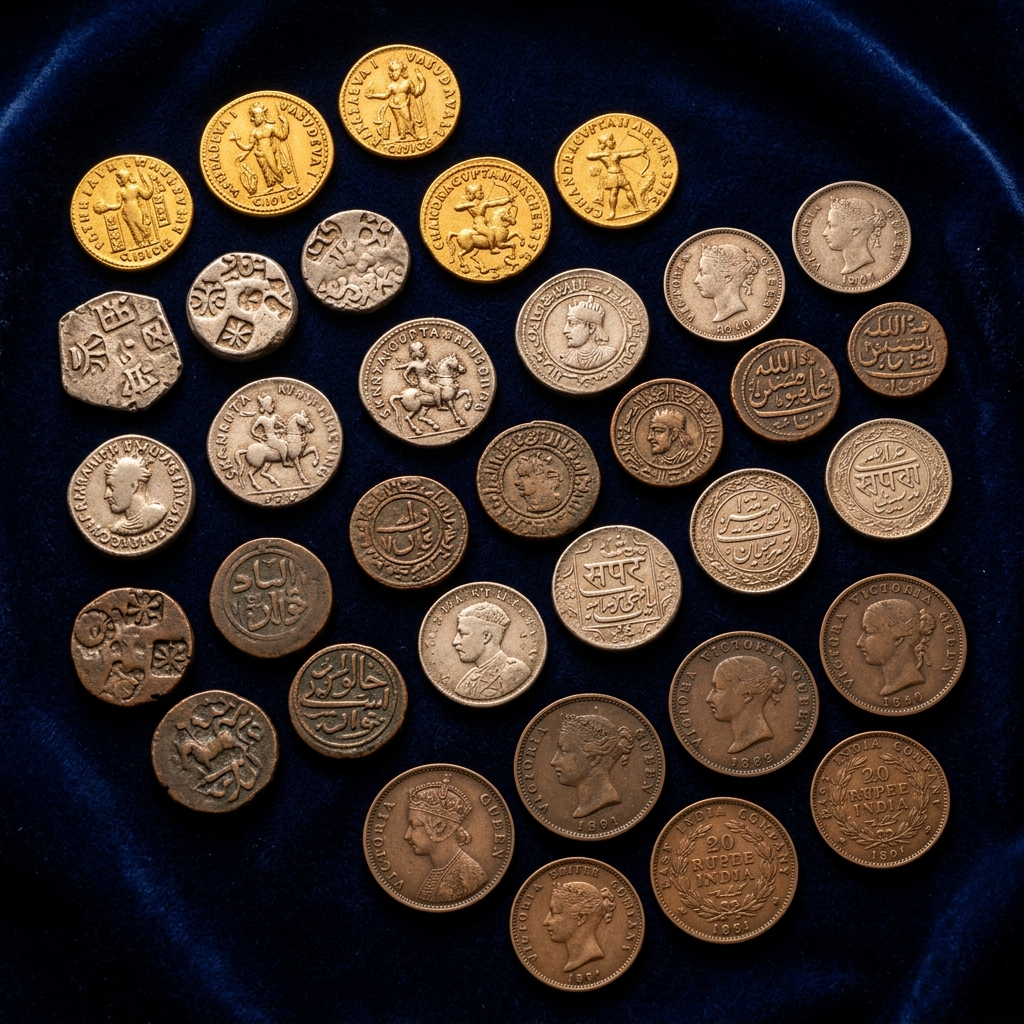
British India coins include East India Company issues, uniform coinage from the 1835 reform, and Crown issues after 1858. The series is popular because many coins show clear dates, denominations, portraits, and clues.
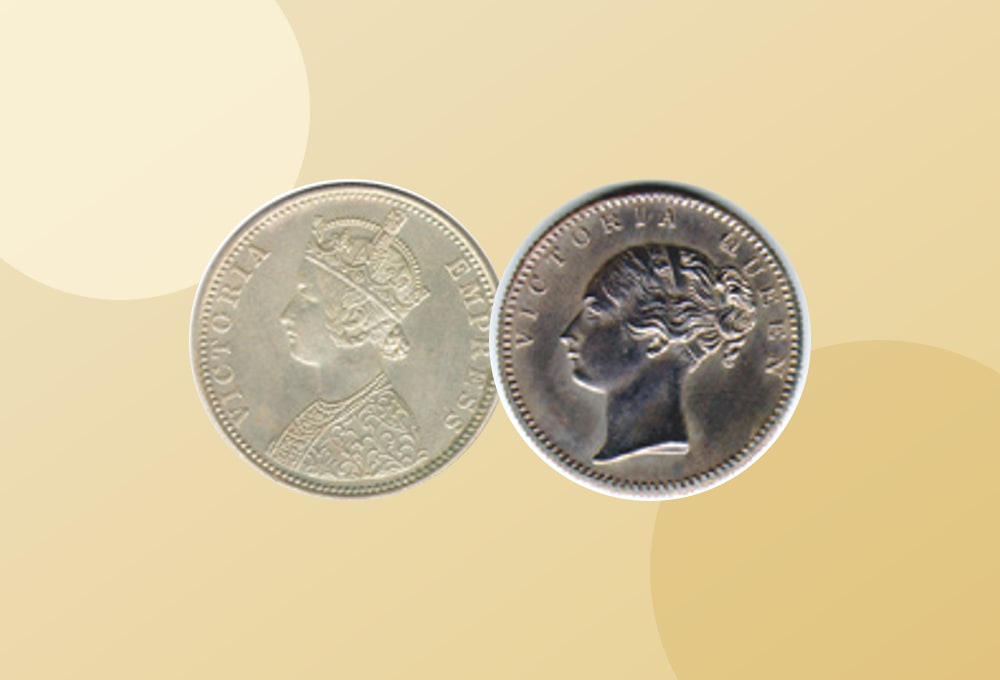
Major portrait periods include Queen Victoria, Edward VII, George V, and George VI. Each ruler period has its own portrait styles, inscriptions, denominations, metal changes, and collector varieties.
How to identify British India coins
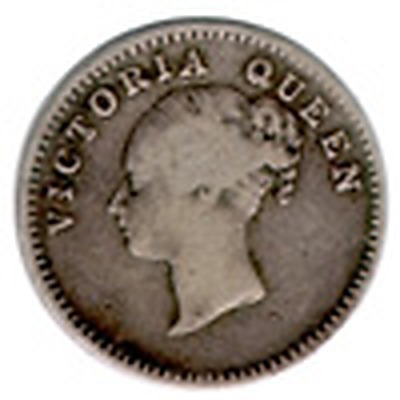
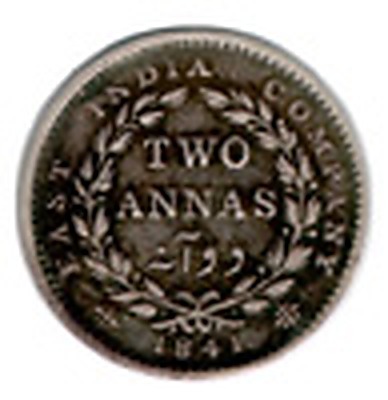
Begin with the monarch portrait and inscription. Then check the date, , mark, metal, , and language on the . Some British India coins also have bust or crown varieties that matter to collectors.
Rupees, annas, pice, and pies appear across different periods. Wartime metal changes and scarce dates can make otherwise similar coins significantly different.
What collectors look for
Collectors often study key dates, marks, high-grade silver rupees, low-mintage denominations, and famous varieties such as specific George V or George VI issues.
As with all collectible coins, authenticity and condition are essential. Avoid polished coins when possible, and verify expensive varieties with reliable references.
Explore the details
Was this numismatic guide helpful?
Your feedback helps our curatorial editorial team refine and expand our research.